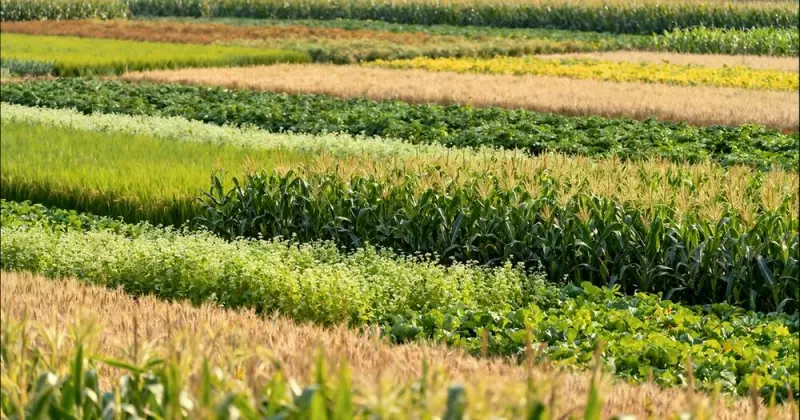
The way Australia grows its food is undergoing a profound digital transformation. Moving beyond traditional methods and intuition, farmers are now embracing a new era of hyper-accurate, data-driven management. At the heart of this shift is the Internet of Things (IoT), a network of interconnected devices that is fundamentally changing how crops are monitored and cared for across the nation's paddocks.
From Broad Assumptions to Pinpoint Precision
Gone are the days of treating an entire field uniformly based on rough estimates. The rise of precision agriculture, powered by IoT, allows for the deployment of extensive wireless sensor networks. These small but powerful devices are strategically placed to collect granular data on critical variables like soil moisture, nutrient levels, and localised temperature.
This creates a detailed variability map, revealing micro-environments within a single field that were previously invisible to the naked eye. Armed with this precise information, farmers can make highly informed interventions. Instead of irrigating a whole property, water can be directed only to zones experiencing dryness. Fertiliser applications can be similarly targeted, maximising resource efficiency.

This meticulous approach lowers operational costs, boosts overall efficiency, and promotes more sustainable farming practices by significantly reducing waste and environmental runoff.
Real-Time Alerts for Proactive Farm Management
One of the most powerful advantages of an IoT system is its capability for constant, real-time monitoring. Sensors in the field continuously track conditions and can be programmed to send instant alerts directly to a farmer's smartphone or tablet when readings fall outside pre-set parameters.
This enables a swift response to rapidly emerging threats, such as a sudden frost event, a dangerous drop in soil moisture, or a spike in humidity that could encourage fungal disease. This represents a major shift from reactive to proactive care.
A farmer can now remotely activate irrigation for frost protection or administer a treatment at the first sign of disease pressure, often before visible symptoms appear. This proactive stance safeguards yields, improves crop quality, and minimises the risk of catastrophic loss, providing a new layer of security and control.
Predictive Power and Optimising Future Harvests
The potential of IoT extends beyond current conditions into forecasting the future. Advanced agricultural platforms now integrate predictive analytics and machine learning, analysing vast streams of historical and live data. This includes information on weather patterns, soil health, and crop vitality.
These intelligent systems can model future growth, predict optimal harvest windows, and forecast potential yields with a much higher degree of accuracy. This forward-looking intelligence is invaluable for strategic planning.
Farmers can better schedule labour and machinery, negotiate supply contracts with buyers based on reliable output estimates, and make informed decisions about crop rotation and resource allocation for upcoming seasons. This transforms farming into a more predictable and strategically planned business, enhancing both profitability and long-term operational stability.
The integration of IoT into crop monitoring marks a significant milestone for Australian agriculture. This technology effectively gives crops a voice, delivering precise, real-time data and intelligent insights directly to farmers. It automates routine monitoring tasks and empowers growers to understand their land at a deeper level, cultivating food more productively and sustainably. By building this digital intelligence, IoT is helping to create a more resilient and secure food system for Australia's future.