St George Mining Forges Downstream Path to Elevate Brazilian Rare Earths Project
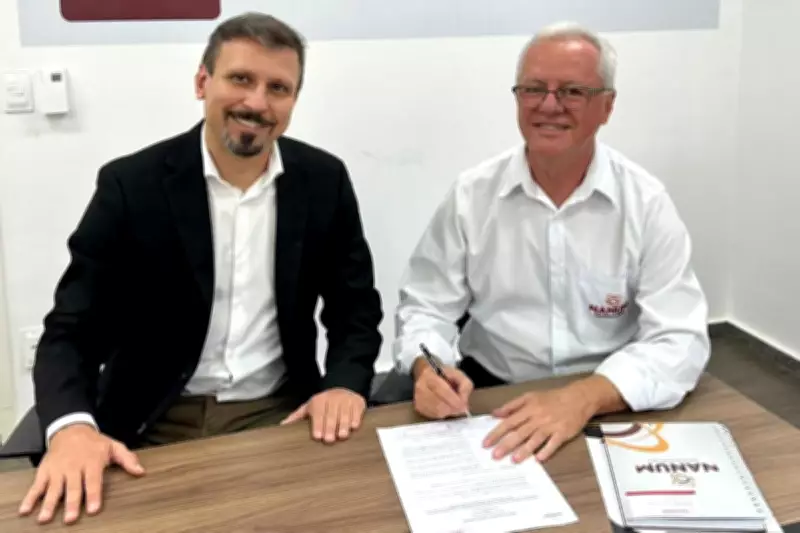
St George Mining has embarked on a strategic initiative to address the common "basket value" challenge in rare earths projects, signing a memorandum of understanding with Brazilian fine chemicals group Nanum Nanotecnologia. This non-binding agreement focuses on exploring downstream processing techniques to refine the product mix from its Araxá project in Brazil, potentially transforming the economic viability of the asset.
Targeting Cerium and Lanthanum Separation for Enhanced Value
Under the MoU, St George will investigate methods to separate cerium and lanthanum from its primary rare earths concentrate. Cerium, the most abundant rare earth element, finds applications in automotive catalytic converters, metal alloys, and certain magnets and electrodes. By isolating and monetising these high-volume but typically lower-priced elements, the company aims to produce a beneficiated concentrate enriched with higher-value light and heavy magnet rare earths.
The Araxá project already boasts a substantial mineral resource of 70.91 million tonnes at 4.06 per cent total rare earth oxides. However, the current mix is dominated by cerium at approximately 49 per cent and lanthanum at about 25 per cent, together accounting for nearly three-quarters of the total inventory. This composition is critical because end-product pricing heavily depends on the proportion of rare earths used in high-performance permanent magnets.

Key Elements and Strategic Benefits
Araxá's deposit includes valuable elements such as neodymium and praseodymium for high-power permanent magnets, along with heavy rare earths like terbium and dysprosium, which enhance magnet performance under demanding conditions. Holmium also attracts interest for applications requiring exceptional power. St George's downstream strategy represents a sophisticated form of beneficiation; by splitting off cerium and lanthanum for separate sale, the remaining concentrate could see a significant increase in the proportion of these prized magnet rare earths.
John Prineas, executive chairman of St George Mining, emphasised the significance of this approach: "The magnet and heavy rare earths hosted in our world-class Araxá resource are very significant and the main driver for development. The opportunity to also monetise the cerium component can add material value to a potential mining operation." The company estimates that this concept could triple the concentration of the most desirable rare earths in its product mix.
Collaborative Efforts and Future Prospects
The partnership with Nanum will involve metallurgical tests using rare earth oxalate samples from Araxá to maximise recoveries of cerium and high-value magnet rare earths. Additionally, the companies will assess technologies for producing cerium products at Araxá, leveraging Nanum's proprietary nano-material capabilities. If successful, Nanum has expressed interest in entering a long-term offtake agreement for the cerium.
For St George, the potential benefits are multifaceted. A higher-purity concentrate could improve market appeal, support stronger pricing, and create a clearer pathway to end users in sectors like electric vehicles, wind turbines, and other advanced technologies. In the competitive rare earths industry, the focus shifts from mere quantity to the quality and composition of the mix. By transforming a cerium-heavy concentrate into a magnet-rich product while generating revenue from cerium, St George aims to unlock new value and shine for the Araxá project.