Preliminary discussions for a colossal $300 billion merger between global mining giants Glencore and Rio Tinto have been confirmed, setting the stage for a deal that could create the world's largest mining company and profoundly impact the Hunter Valley's coal sector.
Hunter Valley Operations at the Heart of the Deal
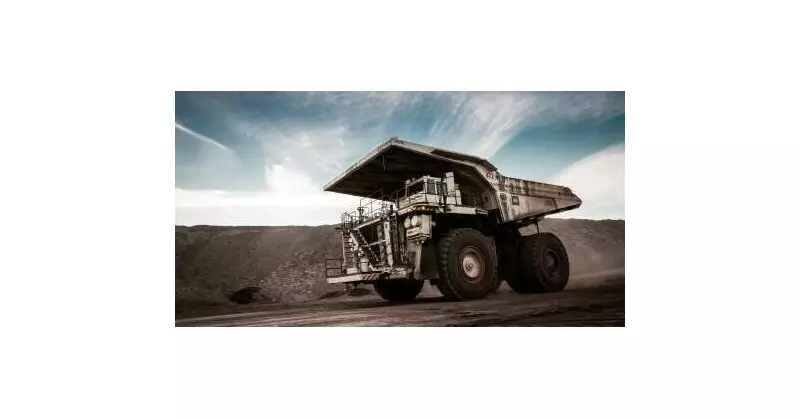
The proposed mega-merger carries direct consequences for the Hunter Valley Operations (HVO) coal mine, located 24 kilometres north-west of Singleton. Glencore is currently a joint venture partner with Chinese-owned Yancoal in the HVO project, which is proposing the most substantial coal mining expansion in New South Wales.
If the merger proceeds, it would mark a dramatic return for Rio Tinto to the HVO site. The company previously sold its interest in the mine, through the Coal & Allied group, to Yancoal back in 2017. The operations are a critical economic engine for the region, supporting more than 1,500 continuing jobs and 600 temporary positions, with an estimated direct economic contribution exceeding $1.5 billion to the Hunter economy in 2024 alone.

Scaled-Back Expansion Plans Amid Environmental Scrutiny
The merger talks coincide with HVO's recently amended extension plans, announced in late 2025. The project has been significantly scaled back following pressure from environmental groups and government agencies concerned about greenhouse gas emissions.
Key changes to the expansion include:
- A reduction in the total run-of-mine coal to be extracted by approximately 220 million tonnes.
- The proposed annual production limit at the south pit has been cut from 18 million tonnes per annum to 13 million tonnes per annum.
- The mine plan was altered to avoid extraction within a specific gas domain in the north pit.
- Critically, the proposed life of the HVO North extension was reduced by five years to 2045, while HVO South's life was shortened by three years to 2042.
These amendments came after a fierce campaign. An analysis by Lock the Gate estimated the original project would generate more greenhouse gas pollution over two decades than the international shipping industry's annual emissions. Several NSW government agencies had also raised alarms about the volume of methane and other greenhouse gases the expansion would produce.
Uncertain Future and Next Steps
Both mining behemoths have urged caution, noting the discussions are preliminary and there is no certainty a deal will be reached. In a formal statement, Rio Tinto confirmed it was engaging in "preliminary discussions about a possible combination of some or all of their businesses." The companies indicated that any transaction would likely see Rio Tinto acquire Glencore via a court-sanctioned scheme of arrangement.
HVO has deferred all comment regarding the potential merger's impact to its joint venture partner, Glencore. A spokesperson for Glencore stated that a further announcement would be made in due course, emphasising the tentative nature of the talks.
The outcome of these high-stakes negotiations will be closely watched by the Hunter community, investors, and environmental advocates. A successful merger would not only redraw the global mining landscape but also determine the future trajectory of one of NSW's most significant industrial projects amid growing climate and economic pressures.