Australian Motorists Face Potential 40-Cent Fuel Price Surge as Iran Crisis Intensifies
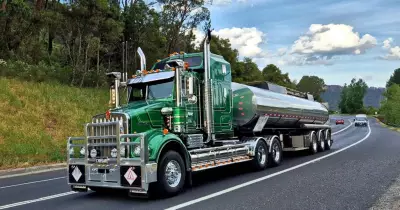
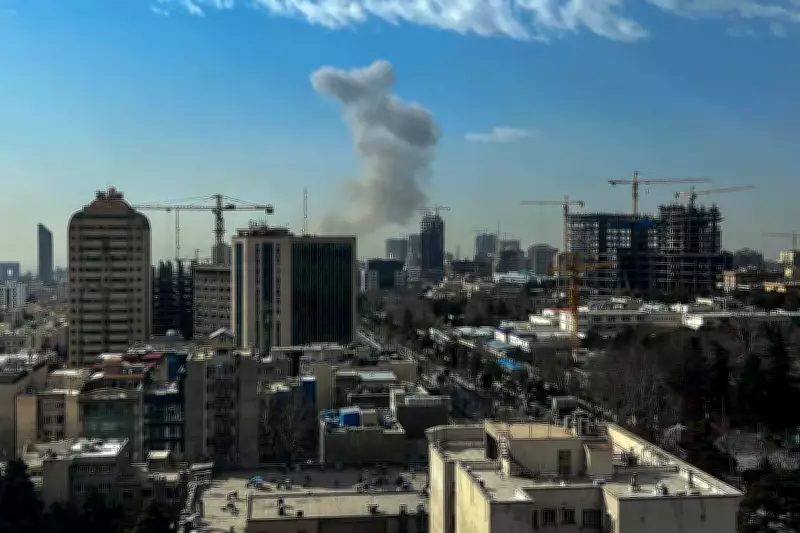
Australian drivers are bracing for a significant increase in fuel costs, with petrol prices potentially rising by up to 40 cents per litre as the conflict between Iran and Western powers escalates dramatically. This alarming development follows retaliatory strikes by Iran's Revolutionary Guard in response to weekend bombardments by the United States and Israel, creating severe disruptions to global oil supplies that directly impact Australian consumers.
Strait of Hormuz Closure Threatens Global Energy Markets
The crisis has reached a critical juncture with Iran's Revolutionary Guard announcing a ban on merchant vessels transiting the strategically vital Strait of Hormuz. This narrow waterway between Iran and Oman handles approximately twenty percent of the world's oil and gas shipments, making it an essential artery for global energy markets. While oil and liquefied natural gas tankers continued limited movement through the chokepoint on Sunday, shipping traffic was substantially reduced as companies anchored vessels to reassess security risks.
Analysts and economists are issuing urgent warnings that this conflict will send global oil prices sharply higher in coming days, inevitably pushing up petrol costs for Australian motorists and threatening broader economic stability. The situation represents one of the most significant disruptions to Middle East energy supplies witnessed in decades, with potential ramifications extending far beyond immediate fuel price increases.

Economic Experts Predict Severe Oil Price Spikes
AMP chief economist Shane Oliver expressed serious concerns on Sunday, stating that Iran's retaliatory strikes across the Persian Gulf, combined with former US President Donald Trump's suggestions of regime change in Iran, could elevate global oil prices by between twenty and forty US dollars per barrel. This would push prices above one hundred US dollars per barrel, compared to Friday's trading level of approximately sixty-seven US dollars.
"The financial markets are on tenterhooks as this conflict appears much wider and more severe than previous incidents," Dr. Oliver emphasized. "Oil prices could easily surpass one hundred US dollars per barrel, potentially experiencing a forty-dollar spike that would have immediate consequences for Australian consumers."
Australian pump prices typically increase by one cent per litre for every one US dollar rise in oil prices. Based on current FuelWatch data and economic projections, this could translate to petrol prices in Perth skyrocketing by forty cents to between two dollars and two dollars ten cents per litre. The duration of the conflict remains a crucial factor, with Dr. Oliver noting that political considerations in the United States might influence how quickly resolution is sought.
Global Energy Supply Chain Under Unprecedented Pressure
While OPEC+ (the Organization of the Petroleum Exporting Countries and allies including Russia) possesses some capacity to increase production and offset supply shortfalls, analysts caution that the current conflict presents unique challenges. Saul Kavonic, senior energy analyst with financial services firm MST Financial, explained that although a complete and prolonged closure of the Strait of Hormuz appears unlikely due to potential military escorts organized by the United States and allies, even partial disruptions could have severe consequences.
"Several million barrels per day of oil could be disrupted if tankers avoid the region," Mr. Kavonic stated. "This level of disruption would still be sufficient to send oil prices over one hundred US dollars per barrel, creating significant economic turbulence worldwide."
Broader Economic Implications for Australia
Higher fuel prices threaten to damage consumer sentiment in Australia, adding substantial pressure to household budgets and potentially dampening economic growth. However, the crisis presents additional indirect risks that could further impact the Australian economy. Since China purchases almost all of Iran's oil exports, any disruption to global oil trade could reduce demand for Australian mineral exports if China's energy requirements become compromised.

Dr. Oliver highlighted this concerning connection, noting that "oil price spikes have historically been associated with economic downturns," suggesting that the current crisis could have ripple effects extending well beyond petrol pumps. The situation requires careful monitoring as developments in the Middle East continue to unfold, with Australian consumers and businesses preparing for potential economic repercussions from this escalating international conflict.