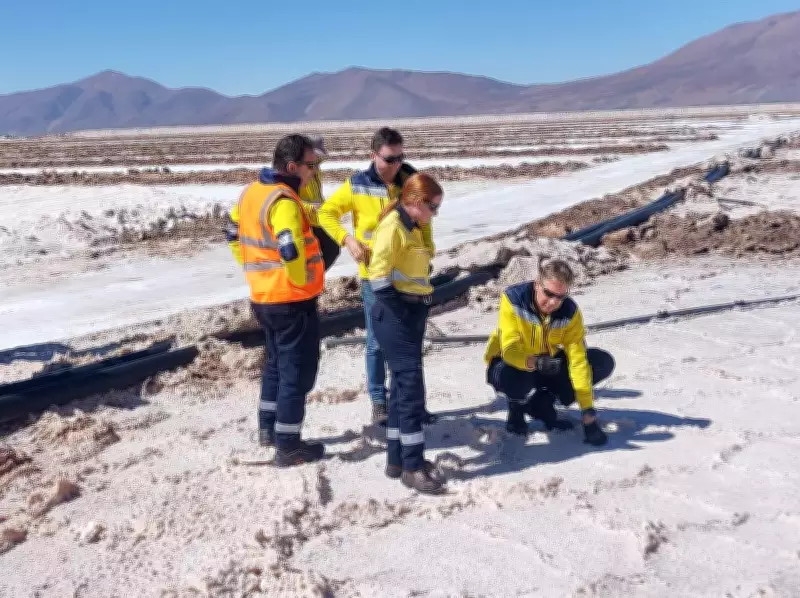
Rio Tinto Secures Australian Taxpayer Loan for Argentine Lithium Project
Mining giant Rio Tinto has secured a significant loan from Australian taxpayers to support a lithium project in Argentina, a development that is sparking debate over its potential effects on Western Australia's lithium sector. The loan, provided through government-backed financing, aims to advance Rio Tinto's operations in Argentina, which is part of the company's broader strategy to expand its presence in the global lithium market.
Details of the Taxpayer-Funded Loan
The loan, sourced from Australian public funds, is intended to facilitate Rio Tinto's lithium extraction and processing activities in Argentina. This move comes as the demand for lithium, a critical component in batteries for electric vehicles and renewable energy storage, continues to surge worldwide. By investing in Argentine projects, Rio Tinto aims to capitalize on the country's rich lithium reserves, which are among the largest in the world.
However, the use of Australian taxpayer money for an overseas venture has raised eyebrows, particularly given the potential competitive implications for Western Australia, a key player in the global lithium supply chain. Western Australia is home to extensive lithium deposits and has been a major contributor to the state's economy through mining exports.

Concerns Over Impact on Western Australia's Lithium Industry
Industry experts and stakeholders in Western Australia have expressed concerns that Rio Tinto's Argentine project, supported by Australian funds, could pose a threat to the local lithium industry. There are fears that increased production from Argentina might lead to oversupply in the global market, potentially driving down prices and affecting the profitability of Western Australian lithium mines.
Additionally, some critics argue that taxpayer money should be prioritized for domestic projects to bolster Australia's own economic interests and job creation. They point out that Western Australia's lithium sector has been a significant source of employment and revenue, and any negative impact from overseas competition could have ripple effects on the state's economy.
Rio Tinto's Strategic Expansion and Global Market Dynamics
Rio Tinto's decision to pursue the Argentine project is part of its broader strategy to diversify its mining portfolio and strengthen its position in the lithium market. The company has been actively seeking opportunities in lithium-rich regions to meet growing global demand, driven by the transition to clean energy and electric mobility.
In Argentina, Rio Tinto plans to leverage advanced mining technologies and sustainable practices to develop the project, which could enhance its competitive edge. The loan from Australian taxpayers is seen as a crucial enabler for this expansion, providing the necessary capital to accelerate development and production timelines.
Government and Public Response
The Australian government has defended the loan, stating that it aligns with national interests in promoting resource development and securing supply chains for critical minerals. Officials emphasize that supporting Rio Tinto's international projects can benefit Australia by fostering global partnerships and ensuring the country's involvement in key industries.
However, public opinion is divided, with some citizens questioning the fairness of using taxpayer funds for overseas ventures while domestic sectors face challenges. Calls for greater transparency and accountability in how such loans are allocated have been growing, with demands for clearer criteria and oversight mechanisms.
Future Implications and Industry Outlook
Looking ahead, the success of Rio Tinto's Argentine project could reshape the global lithium landscape, influencing market dynamics and regional economies. For Western Australia, the key will be to adapt to potential shifts by investing in innovation, efficiency, and value-added processing to maintain its competitive advantage.

Stakeholders are urging for a balanced approach that considers both international opportunities and domestic priorities, ensuring that Australia's mining sector remains robust and resilient in the face of global competition. As the project progresses, ongoing monitoring and dialogue between industry, government, and the public will be essential to navigate the complexities of this evolving situation.