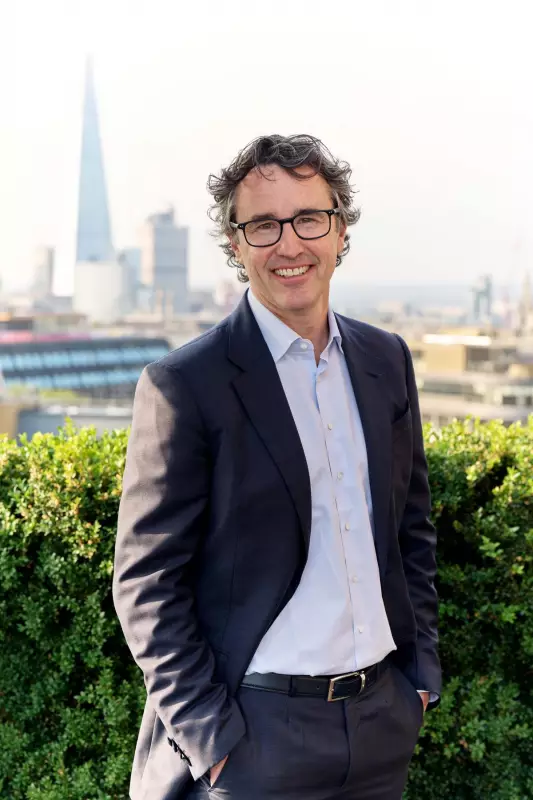
Rio Tinto's new chief executive, Western Australia-born Simon Trott, has laid out a bold plan to reshape the Anglo-Australian mining behemoth, targeting up to $15 billion in value through asset sales and a sweeping corporate simplification drive.
A 'Sharper, Simpler' Rio Tinto
Addressing investors at his first Capital Markets Day in London on Thursday, 4 December 2025, Trott declared his mission to create a "sharper" and "simpler" company. He revealed that initial steps have already yielded significant cost savings. $US650 million (approximately $982 million AUD) has been saved, with about a third coming from a major internal restructure.
This restructuring, described as "delayering," organised Rio's operations into three core pillars: iron ore, copper, and aluminium & lithium. The forthright move, made just weeks into his tenure, resulted in the departure of two high-ranking former colleagues. Trott explained his desire for a smaller, more accountable leadership team that could make decisions faster by reducing bureaucratic layers.

"We have looked really hard at the organisation and the more layers that you have... the slower and more cumbersome it is," Trott stated. While he confirmed more job cuts were planned as part of finding "significantly more" savings, he did not specify which business areas, including the crucial WA iron ore operations, would be affected.
Unlocking Billions Through Asset Sales
Beyond internal cuts, Trott's strategy to unlock between $US5 billion and $US10 billion (around $15 billion AUD) centres on selling non-core assets. The company has put its California-based borates business and its iron and titanium operations in Quebec on the market.
Further value is expected from the sale of surplus land holdings and infrastructure. Rio Tinto will also halt all studies and programmes related to "non-core projects" to preserve cash and focus on its key divisions.
Iron Ore Outlook and Operational Challenges
Despite the streamlining, Rio Tinto maintained a bullish long-term outlook on iron ore, arguing that "new iron ore supply is needed." This stance comes even as demand from China slows and port inventories remain high. The company believes high-quality Pilbara ore deposits are depleting and not being replaced fast enough.
However, the company's 2026 production guidance for iron ore remains steady, forecast between 323 million and 338 million tonnes, identical to its 2025 target. A key hurdle highlighted in Rio's presentation was Western Australia's environmental approval timelines, which it claimed now average five years, up from two years in 2018.
The event also served as the debut for Rio's new iron ore boss, Matthew Holcz. He will be central to advancing the company's share of the massive Simandou project in Guinea, which is projected to produce between 5 and 10 million tonnes in 2026—a small fraction of Pilbara output.
Focus on Existing Projects and Future Opportunities
On lithium, Trott indicated a shift in focus towards projects already "in-flight," following a period of heavy investment by his predecessor, Jakob Stausholm. Regarding industry consolidation, the new CEO disagreed that major mergers were essential to meet growing demand for commodities like copper.
Nevertheless, he suggested that his simplification mission would ultimately position Rio Tinto to capitalise on any strategic opportunities that arise. "My fundamental mission is to make this company stronger," Trott concluded, setting the tone for his leadership era focused on efficiency and core strength.