Regional Fuel Crisis Intensifies as Stations Face Dry Pumps and Soaring Prices
Regional service station owners across Australia are reporting severe difficulties in maintaining fuel supplies on their forecourts, as panic buying and supply chain disruptions linked to the ongoing crisis in the Middle East drive prices to unprecedented highs. In some rural areas, communities have been left without petrol for several days, exacerbating local anxieties and operational challenges.
Record Prices and Rationing Hit Rural Communities
In parts of rural Australia, fuel prices have surged dramatically, reaching as much as $3.40 per litre. This sharp increase has forced some service stations to implement rationing measures, while others have completely run out of fuel, leaving drivers stranded and uncertain about future availability. The situation has created a cycle of panic buying, further straining already limited resources.
Treasurer Jim Chalmers has issued a stern warning to suppliers, cautioning against exploiting the crisis. He confirmed that companies found guilty of price gouging could face substantial fines of up to $100 million. However, for many regional operators, the immediate concern is not price manipulation but the fundamental challenge of securing fuel deliveries to keep their businesses running.

On-the-Ground Struggles and Community Anxiety
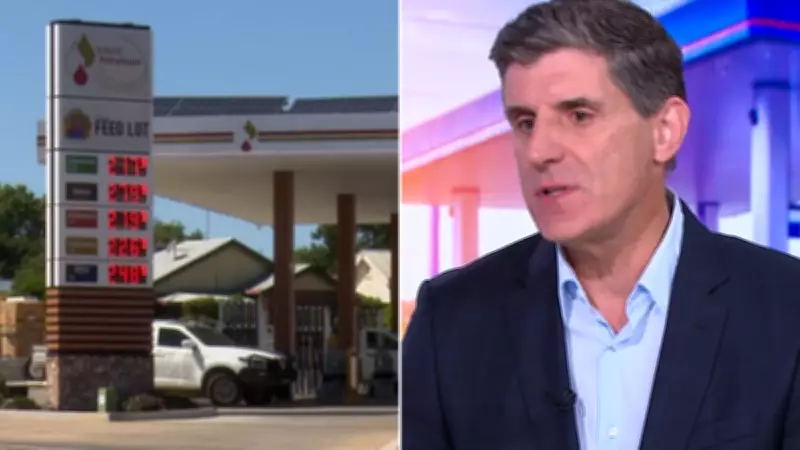
Nick Moulis, who owns a service station in Armidale, regional New South Wales, experienced a five-day period without any fuel before finally receiving a delivery this week. When the shipment arrived, he noted that some prices had doubled compared to his previous order, highlighting the volatile market conditions.
"Our communities are currently feeling very anxious, and I know to a point they're feeling hurt," Moulis stated during an interview on Sunrise. "We're anxious because our community doesn't know whether they're going to have fuel in the future." He revealed that the rush to fill tanks worsened the situation, with his station selling twice as much fuel in two days as it would normally, forcing him to balance between running out again or reserving fuel for essential needs.
Supply Chain Disruptions and Future Uncertainties
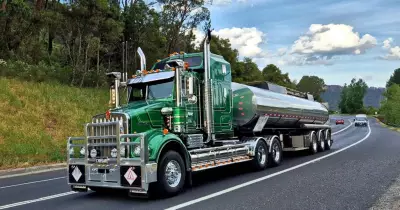
Independent service station owners are facing increased pressure due to uncertainty about future deliveries, with both fuel availability and transport logistics tightening significantly. Moulis explained that he typically purchases two to three loads of fuel each week, but this supply is no longer guaranteed. "The availability of product and the availability of transport to get it to us has tightened up dramatically," he said, adding that he hopes for relief soon but remains anxious about the ongoing impact on his community.
Moulis attributes the crisis to shocks at both ends of the supply chain, where consumer panic buying collides with upstream delays. "Not that our region hasn't got refined product, but our supply chain can't move quick enough to deliver it into the terminals where we need it," he noted. Approximately 400 million barrels of fuel are expected to enter the international market, which may ease pressure within days or weeks, but until then, anxiety in regional communities remains high as drivers worry about fuel accessibility.