NSW Subsidence Advisory Agency Under Fire for Alleged Data Concealment
The New South Wales Subsidence Advisory agency is embroiled in a significant controversy following allegations that it has deliberately concealed critical mine data. This accusation has sparked widespread concern among communities in mining regions, where subsidence risks are a persistent issue. The agency, tasked with monitoring and managing ground movement related to mining activities, is now facing intense scrutiny over its transparency and commitment to public safety.
Allegations of Withholding Information
According to reports, the Subsidence Advisory agency has allegedly hidden vital data concerning mine subsidence, which includes detailed information on ground stability, potential collapse risks, and historical movement patterns. This data is essential for assessing the safety of infrastructure, homes, and public spaces in areas affected by mining. Critics argue that by withholding this information, the agency is compromising the ability of residents and local authorities to make informed decisions about land use and emergency preparedness.
The allegations suggest that the concealment may be linked to political or economic pressures, potentially to avoid negative publicity or financial liabilities for mining companies. This has raised questions about the agency's independence and its role in balancing industry interests with community welfare. In response, advocacy groups are calling for an immediate investigation into the agency's practices and greater accountability in data management.

Impact on Mining Communities
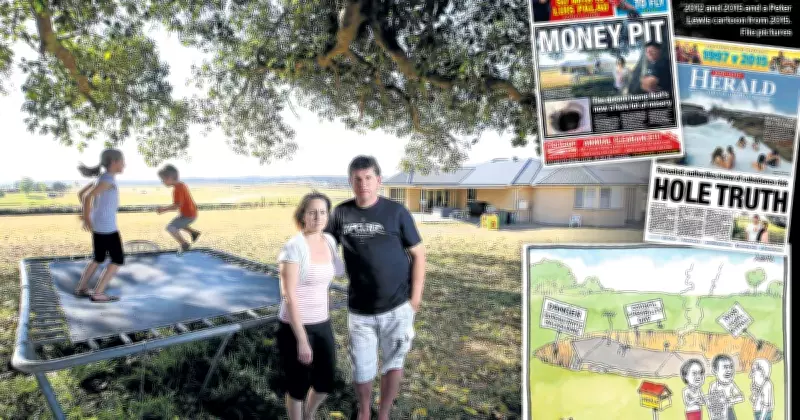
The potential consequences of hidden mine data are severe, particularly for communities in regions like the Hunter Valley and Illawarra, where mining is a dominant industry. Subsidence can lead to property damage, infrastructure failures, and even safety hazards such as sinkholes or ground collapses. Without access to accurate and timely data, residents may be unaware of increasing risks, hindering efforts to mitigate damage or plan evacuations if necessary.
Local government officials have expressed frustration, noting that they rely on the Subsidence Advisory agency for guidance on zoning, building approvals, and disaster response. The alleged data concealment undermines this trust and could result in inadequate safety measures. For instance, if critical information about unstable ground is not shared, new developments might be approved in high-risk areas, exacerbating future problems.
Calls for Reform and Transparency
In light of these allegations, there is a growing demand for reforms within the Subsidence Advisory agency. Stakeholders, including environmental groups, community leaders, and some political figures, are urging the NSW government to implement stricter oversight and mandatory data disclosure protocols. They argue that transparency is non-negotiable when it comes to public safety, and that all mine-related data should be made readily available to the public and relevant authorities.
Proposed measures include regular audits of the agency's data practices, independent reviews of subsidence risks, and enhanced public reporting requirements. Additionally, there are calls for stronger penalties for non-compliance, to ensure that agencies and mining companies prioritize safety over secrecy. The controversy highlights broader issues in resource management, where economic interests often clash with environmental and social responsibilities.
As the situation unfolds, the NSW Subsidence Advisory agency must address these allegations head-on to restore public confidence. The outcome could set a precedent for how mining data is handled across Australia, emphasizing the need for openness and accountability in protecting communities from subsidence risks.