Political Silence as Mining Titans Rio Tinto and Glencore Explore Historic Merger
In early January, global mining giants Rio Tinto and Glencore confirmed they were holding discussions about a possible merger, which would effectively be a takeover of Glencore by Rio Tinto. This revelation has sparked intense analysis and speculation across the financial press, yet a notable silence persists among Australian political figures regarding the monumental deal.
Hunter Valley Coal Assets in the Balance
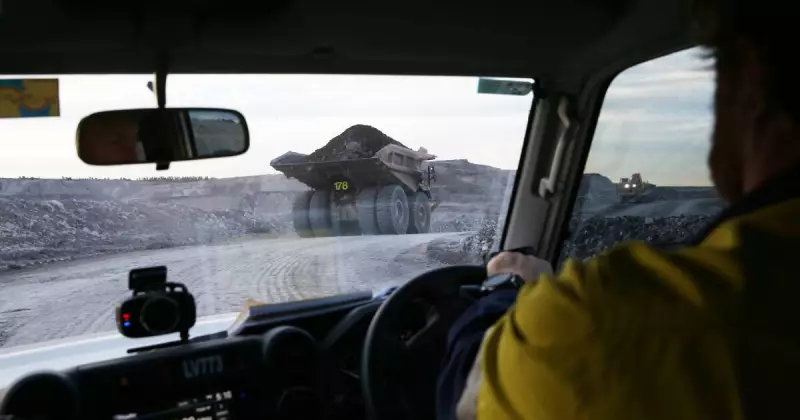
Some reports suggest that coal mines in New South Wales' Hunter Valley could be involved in the negotiations, though their fate is often viewed as secondary to the broader merger decision. Despite the potential local impact, there has been a conspicuous lack of public commentary from key Labor representatives.
Federal Resources Minister Madeleine King has expressed little concern, reassuring the media that Rio Tinto's iron ore operations in Western Australia's Pilbara region remain secure. Meanwhile, the NSW Labor Premier and local Hunter MPs have offered no statements, leading to speculation that they may possess insider knowledge about the deal's complexity or anticipate regulatory hurdles.

The Stakes of a Potential Mega-Merger
If the merger proceeds, the resulting entity would become the world's largest mining corporation, surpassing current market leader BHP by approximately $75 billion in value. The strategic motivation for Rio Tinto is clear: the company has long sought to expand its copper portfolio, a critical metal for global electrification and net-zero ambitions by 2050.
Glencore's extensive copper mining rights in South America and Africa present a lucrative opportunity for Rio Tinto, whose iron ore exports to China are facing a slowdown. However, merging two sprawling multinational miners involves navigating complex regulatory landscapes across multiple jurisdictions and integrating diverse asset portfolios, including less desirable holdings like coal mines.
A Complex History with Hunter Valley Coal
Rio Tinto's relationship with Hunter Valley coal is particularly intricate. The company was the region's dominant coal producer at the end of the 20th century, following decades of acquiring shares in Coal and Allied. By 2011, Rio had moved these assets into private ownership, eventually selling most to Chinese state-owned Yancoal in 2017 as part of a strategic shift away from fossil fuels to bolster its environmental, social, and governance credentials.
In contrast, Glencore has aggressively expanded its Hunter Valley coal presence, notably through the 2013 acquisition of Xstrata. By 2024, Glencore operated seven mines in the region, employing 5,400 workers and accounting for 37 percent of local coal shipments.
Uncertain Future for Coal Assets
Should Rio Tinto succeed in acquiring Glencore, it would once again become a major player in Hunter Valley coal, competing directly with the mines it previously sold to Yancoal. However, analysts suggest fossil fuels remain unwelcome at Rio, predicting the company would likely bundle and divest Glencore's coal assets post-merger. Coal would contribute only about 8 percent to the merged entity's earnings, which would be primarily focused on iron ore and copper.
The enduring mystery is the ultimate destination of Glencore's Hunter mines, and the continued silence from Labor MPs on this economically significant issue raises questions about their engagement with the region's industrial future.