A mining company backed by billionaire Robert Friedland has taken a major step towards developing a new West African iron ore project, positioning itself as a future rival to established Pilbara producers.
Rail Access Unlocks Guinea Deposit
Ivanhoe Atlantic has secured a pivotal agreement with the Liberian government, granting it access to existing rail and port infrastructure. This deal, ratified on Friday, December 19, 2025, is the key that unlocks the company's plans to export iron ore from its Kon Kweni deposit in neighbouring Guinea.
The agreement allows Ivanhoe to transport an initial 5 million tonnes of ore annually through Liberia to port. The company's environmental impact assessments in both Guinea and Liberia are currently under review. Construction at the Kon Kweni site, which is partly owned by the Guinea Government, is scheduled to commence in the first quarter of 2026.

Navigating Logistical and Political Landscapes
This development comes just weeks after Rio Tinto and its Chinese partners celebrated the first shipment from the massive Simandou project, located roughly 160 kilometres from Ivanhoe's tenement. That project required decades of negotiation and the construction of 600 kilometres of new railway.
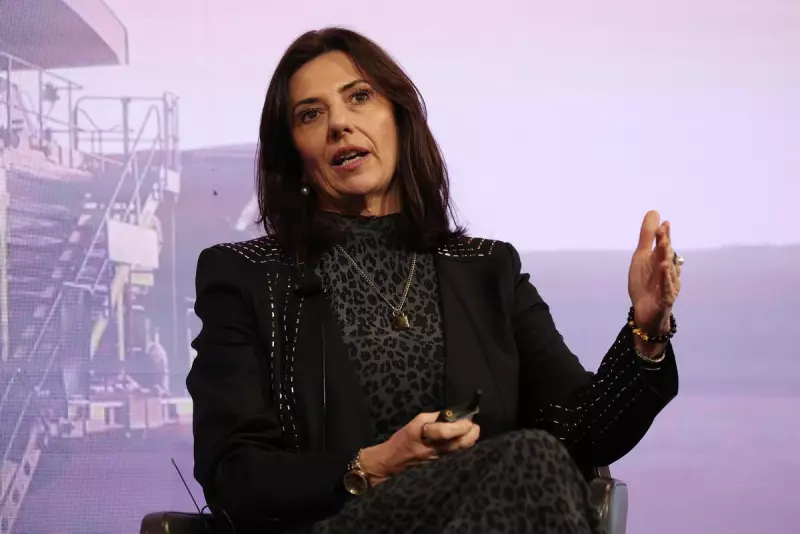
In contrast, Ivanhoe Atlantic's strategy hinges on utilising and upgrading existing infrastructure. The company plans to support Liberia in forming a National Rail Authority to oversee an independent, multi-user rail system. CEO Bronwyn Barnes hailed the ratification as a "significant milestone" aligned with President Boakai's policy.
"This opens up a valuable logistics chain to other users in Liberia and neighbouring countries, including US-aligned companies looking to expand into the region," Ms Barnes stated.
Funding and Future Expansion Plans
The Liberian government revealed that Ivanhoe made an upfront payment of $US37 million to a previous administration for the right to eventually develop up to 30 million tonnes per annum (mtpa) of rail-port capacity. Further payments are contingent on the agreement's ratification and gaining physical access for Phase 1 operations.
However, scaling up to 30mtpa would necessitate significant upgrades to the rail line and the construction of a new port at Didier. Ms Barnes, speaking earlier this year, expressed confidence that funding for this expansion would come from private investors and development finance institutions.
The project is not without its challenges. Recent media reports highlight political hurdles, including reliance on the Guinea government honouring a 2019 agreement to allow ore exports through Liberia. There has also been reported opposition from a US Republican congressman concerned about the wider Ivanhoe group's links to China. Ms Barnes addressed this in August, stating that none of the Kon Kweni iron ore would be sold to China.
The company's plans for an initial public offering on the Australian Securities Exchange, in the works since early 2025, were delayed pending this crucial Liberian rail deal and can now proceed.