Texas Oilman's Fracking Ambition for Kimberley Gas Sparks Intense Environmental Clash
Beneath one of Australia's most breathtaking and iconic landscapes lies a colossal, untapped resource: one of the planet's largest undeveloped onshore gas reservoirs. Now, a Texas oil entrepreneur is spearheading a controversial initiative to extract it, igniting a fierce environmental and community battle in Western Australia's remote Kimberley region.
Project Valhalla: A Massive Fracking Proposal
The venture, known as Project Valhalla, proposes drilling an initial twenty fracking wells across an expansive area that is twice the size of the state of Victoria. This ambitious plan has recently taken a significant step forward after receiving a recommendation for approval from Western Australia's Environmental Protection Authority (EPA), bringing the project closer to potential realisation.
The Kimberley: A Pristine and Culturally Rich Ecosystem
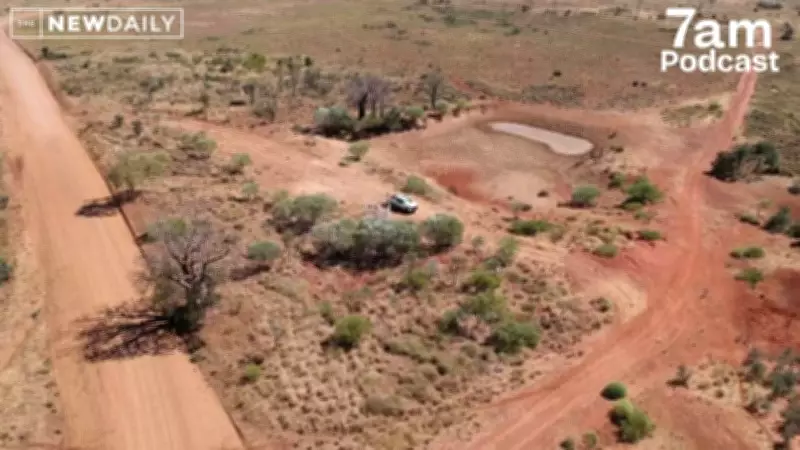
The Kimberley is not merely a landscape; it is the world's largest and most intact tropical savanna. This region is a place of profound cultural significance, featuring living songlines and extraordinary biodiversity. Environmental campaigners emphasise that no local species has ever been recorded as extinct here, highlighting its ecological uniqueness and fragility.

Community Division and Unprecedented Opposition
Local communities are deeply divided over the project. In a remarkable show of resistance, a record number of more than eight thousand appeals have been formally lodged with the Western Australian government in an effort to halt Project Valhalla. This unprecedented level of public opposition underscores the high stakes involved, balancing economic potential against environmental and cultural preservation.
Journalist Katherine Wilson has been closely following the escalating conflict over fracking in the Kimberley, investigating how Project Valhalla has progressed to this critical juncture. The debate encapsulates broader tensions between resource development and conservation, with implications for Indigenous heritage, wildlife protection, and sustainable land use.
As the proposal advances, stakeholders from all sides are mobilising, setting the stage for a pivotal decision that will shape the future of this remarkable Australian region. The outcome will likely influence national conversations on energy policy, environmental stewardship, and the rights of local communities in the face of large-scale industrial projects.