Fortescue Metals Group Announces Major Diesel Rebate Reduction
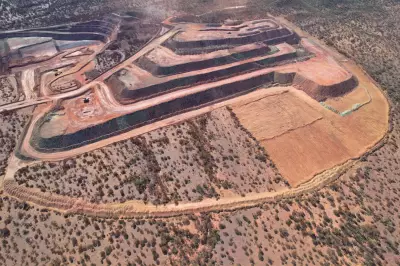
In a significant move towards its environmental commitments, Fortescue Metals Group has declared it will substantially scale back diesel rebates across its iron ore mining operations. The Australian mining giant will also absorb a substantial $2.5 billion fuel relief bill, marking a pivotal step in its transition to greener energy sources.
Details of the Diesel Rebate Cuts
The company plans to reduce diesel rebates, which are government incentives that lower fuel costs for heavy industries like mining. This decision is part of Fortescue's broader strategy to decrease its reliance on fossil fuels and invest in renewable energy alternatives. By cutting these rebates, Fortescue aims to accelerate its shift towards sustainable practices, aligning with global climate action trends.
Financial Implications and Strategic Goals
Taking on the $2.5 billion expense for fuel relief underscores Fortescue's dedication to its green energy initiatives. This financial burden reflects the company's willingness to prioritize long-term environmental benefits over short-term cost savings. Fortescue's leadership in the mining sector is setting a precedent for other companies to follow, potentially influencing industry-wide changes in fuel usage and rebate policies.

Impact on Iron Ore Operations
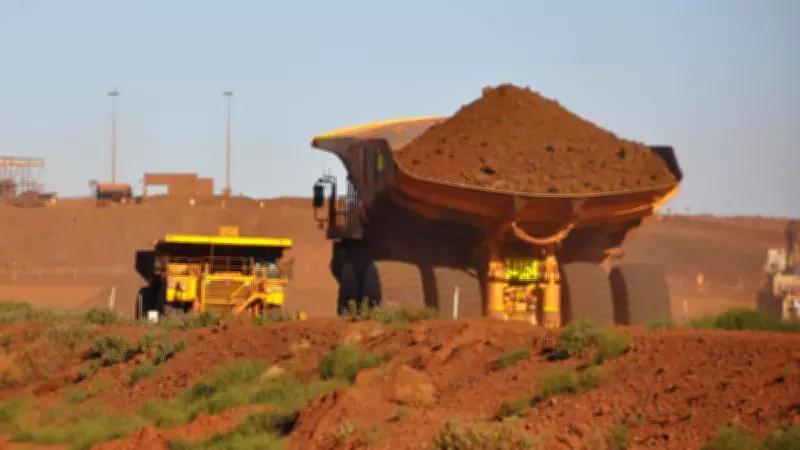
As one of the world's largest iron ore producers, Fortescue's operations heavily depend on diesel for machinery and transportation. The reduction in rebates may initially increase operational costs, but the company expects this to drive innovation in energy efficiency and renewable technology adoption. This move could also enhance Fortescue's reputation among investors and stakeholders focused on corporate sustainability.
Broader Industry and Environmental Context
This announcement comes amid growing pressure on the mining industry to reduce carbon emissions and adopt cleaner energy solutions. Fortescue's decision highlights the increasing intersection of business and environmental responsibility, with potential ripple effects across the sector. By voluntarily scaling back diesel rebates, the company is positioning itself as a leader in the global push for greener mining practices.