In a significant decision for Western Australia's South West region, lithium giant Talison has definitively ruled out reopening the historic Bunbury to Greenbushes rail line to transport spodumene concentrate from its massive operation. The company has concluded that continuing to use road transport is the most viable option, despite earlier feasibility studies and community hopes for a rail revival.
The End of the Line for Rail Revival Hopes
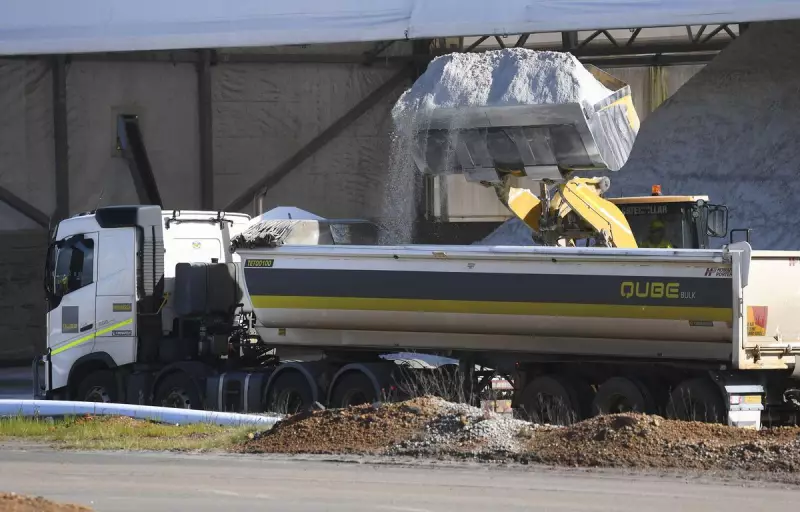
Talison Lithium, which operates the renowned Greenbushes mine, has conducted thorough investigations into the potential of the unused railway. The company's managing director, Lorna MacGillivray, stated the review considered all aspects, including capital costs, ongoing operational expenses, and the complex logistics of integrating rail into their existing supply chain. The final assessment determined that road transport remains the preferred and most efficient method for moving the critical mineral product to the Port of Bunbury for export.
This announcement dashes the aspirations of local governments and community groups who had long advocated for the line's return. The rail corridor, which has been dormant for decades, was seen as a potential catalyst for reducing truck traffic on local roads and boosting regional infrastructure. The Shire of Donnybrook-Balingup, in particular, had been a strong proponent, viewing rail as a solution for both economic and community safety concerns.

Feasibility and the Road Ahead
The decision follows a detailed feasibility study commissioned in 2022, funded by a $360,000 grant from the state government's Western Australian Rail Freight Network Access Fund. That study, while outlining potential pathways, also highlighted the substantial challenges. These included the need for extensive track upgrades, bridge repairs, and the establishment of new loading facilities at both the mine and the port.
MacGillivray emphasised that Talison's current road-based system is well-established and reliable. The company operates a dedicated fleet of trucks, and she noted that any shift to rail would have required a complete overhaul of their logistics, with uncertain benefits. "After careful consideration of all factors, we have determined that continuing to transport our product via road is the best path forward," MacGillivray confirmed.
Community and Economic Implications
The ruling has immediate and long-term consequences for the region. For residents along the South Western Highway, it means the steady flow of lithium haulage trucks will continue unabated. Local councils had hoped a rail solution would alleviate traffic congestion and improve road safety. The economic opportunity of revitalising a piece of regional rail infrastructure has also been set aside.
From an industry perspective, the decision underscores the complex calculus facing mining companies even during a boom. While lithium demand remains strong, operational efficiency and cost control are paramount. Talison's choice reflects a pragmatic assessment of its supply chain needs at its flagship operation, which is one of the world's largest and highest-grade sources of lithium spodumene.
The future of the rail corridor itself now returns to question. With its primary potential user stepping away, the long-term fate of the asset will likely fall back to the state government and local stakeholders to determine if any alternative uses exist.