Investors Welcome New Leadership at BHP and Woodside Amid Strategic Shifts
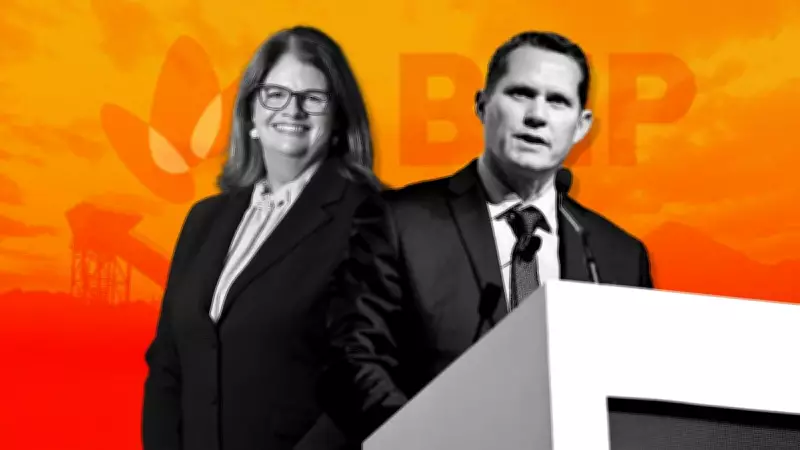
BHP and Woodside Energy have announced new chief executive officers, with Brandon Craig set to lead BHP from July 1 and Liz Westcott taking the helm at Woodside immediately. These internal appointments are viewed by professional investors as ensuring continuity, yet each company is pursuing markedly different strategic directions for the future.
BHP's Strategic Pivot to Copper and Potash Under New Leadership
BHP's incoming CEO, Brandon Craig, is expected to guide the mining giant through a significant transformation from its reliance on iron ore to a greater focus on copper and potash. This move aligns with BHP's long-term strategy to capitalize on future-facing commodities, particularly as demand for copper is projected to surge due to the clean energy transition and electrification of transport.
Analysts, including Kaan Peker from RBC Capital, note that Craig's appointment reinforces continuity, as he brings deep operational experience in both iron ore and copper. "The leadership transition is unlikely to alter the group's strategic direction," Peker said, emphasizing that the focus will now shift to project execution and capital discipline. BHP aims to increase copper production by 40% by the mid-2030s, leveraging its existing mines in Chile and South Australia.

Copper has already proven highly profitable for BHP, with operating profit margins reaching 66% in the latter half of 2025, surpassing its iron ore margins. Peter Gardner of Plato Investments commented, "We still rate BHP a buy given its growth in copper, though commodity price uncertainty remains a factor." The company's strategic pivot was initiated under outgoing CEO Mike Henry, who delivered strong shareholder returns, and Craig is tasked with executing this vision.
Woodside's Continued Bet on Oil and Gas with Westcott at the Helm
In contrast, Woodside's appointment of Liz Westcott, a 25-year veteran of the oil and gas industry, signals a commitment to its core fossil fuel business. This decision comes as Woodside seeks to avoid the pitfalls experienced by other energy companies, such as BP, which faced significant write-downs after costly ventures into renewable energy.
Westcott has stated that her focus will be on sustainable value creation, operational excellence, and disciplined execution of growth projects. "My focus as CEO is on sustainable value creation for Woodside shareholders," she affirmed. Woodside's strategy includes controlling costs and improving production, with limited moves into green energy, such as the Beaumont low-carbon ammonia project in Louisiana, which has faced delays and weaker-than-expected demand.
Gardner noted that while Westcott is highly regarded, Woodside shares are currently a 'hold' due to the volatile nature of oil and gas prices, influenced by geopolitical tensions in the Middle East. The company's approach reflects a cautious stance, prioritizing stability over risky pivots into alternative energy sources.
Divergent Futures in Mining and Energy Sectors
The leadership changes at BHP and Woodside highlight the broader trends in the resources sector. BHP is aggressively moving towards commodities essential for the energy transition, such as copper, while Woodside is doubling down on its traditional oil and gas operations. These divergent paths underscore the varying strategies companies are adopting in response to global economic and environmental pressures.
Investors are closely watching these developments, as both companies navigate uncertainties in commodity markets and geopolitical landscapes. The appointments of Craig and Westcott are seen as steady hands that will guide their respective firms through these challenges, with BHP focusing on growth in future-facing metals and Woodside maintaining its foothold in fossil fuels.