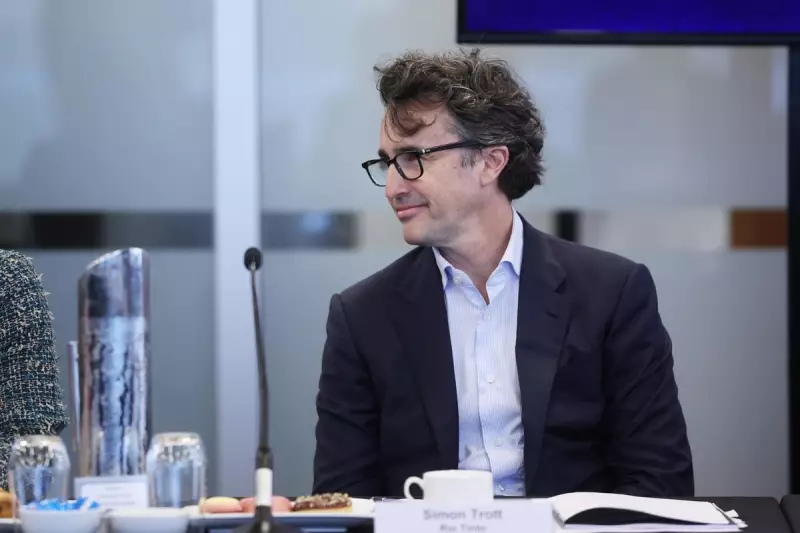
Rio Tinto's new iron ore chief, Simon Trott, has laid out his game plan for the mining giant's most critical division, with market analysts largely characterising the strategy as a steady, reassuring continuation rather than a dramatic revolution.
A Focus on Value Over Volume
In his first major address since taking the helm of the iron ore unit, Trott emphasised a commitment to disciplined growth and value creation. The core of the strategy involves unlocking greater value from existing operations in Western Australia's Pilbara region, rather than pursuing aggressive, high-cost volume expansion.
Trott highlighted plans to improve productivity and recovery rates across the massive network of mines, rail, and ports. This includes leveraging technology and data to optimise processes and squeeze more tonnes from the current asset base. The focus remains squarely on maintaining Rio Tinto's position as one of the world's lowest-cost iron ore producers.

Analysts Weigh In: Steady as She Goes
Financial experts and mining analysts who reviewed the plan described it as pragmatic and investor-friendly. The consensus view is that Trott's approach provides continuity and certainty, which is welcomed by the market.
Key takeaways from analyst reactions include:
- The strategy is seen as a logical evolution, not a risky departure from the path set by his predecessor.
- It reaffirms Rio Tinto's capital discipline, prioritising shareholder returns and manageable growth projects over megadeals or greenfield expansions.
- The plan addresses the need for future supply, such as the development of the Rhodes Ridge project, but within a framework of strict financial benchmarks.
This measured stance is viewed as particularly sensible given the current volatility in global iron ore prices and the broader economic uncertainty. Trott's message effectively assures investors that Rio Tinto will not jeopardise its robust balance sheet or industry-leading margins for the sake of growth at any cost.
Navigating Challenges and Future Growth
While the plan is conservative, it does not ignore the future. Simon Trott acknowledged the challenges of replacing depleting mines and the need to invest in new production. Projects like the development of the massive Rhodes Ridge deposit are part of the long-term pipeline, but their advancement will be contingent on meeting Rio's stringent internal hurdles for returns.
The strategy also underscores a continued focus on key operational challenges, including cultural reform and improving community and Traditional Owner relationships following the Juukan Gorge disaster. Trott's tenure will be closely watched on this front, as social license to operate remains a critical issue for the sector.
Furthermore, the plan maintains Rio Tinto's commitment to decarbonisation, with efforts to reduce the carbon footprint of its Pilbara operations through renewable energy and potentially hydrogen-fuelled trucks. This aligns with both global investor expectations and the company's own net-zero ambitions.
In summary, Simon Trott's inaugural blueprint for Rio Tinto's iron ore business has been met with a nod of approval from analysts. It signals a period of consolidation, optimisation, and disciplined investment. For shareholders and the market, the message is clear: Rio Tinto's iron ore division is in steady hands, pursuing a path of reliable value rather than radical change.