Shell York Fuel Crisis: Farmers Turned Away as Petrol Supplies Run Dry
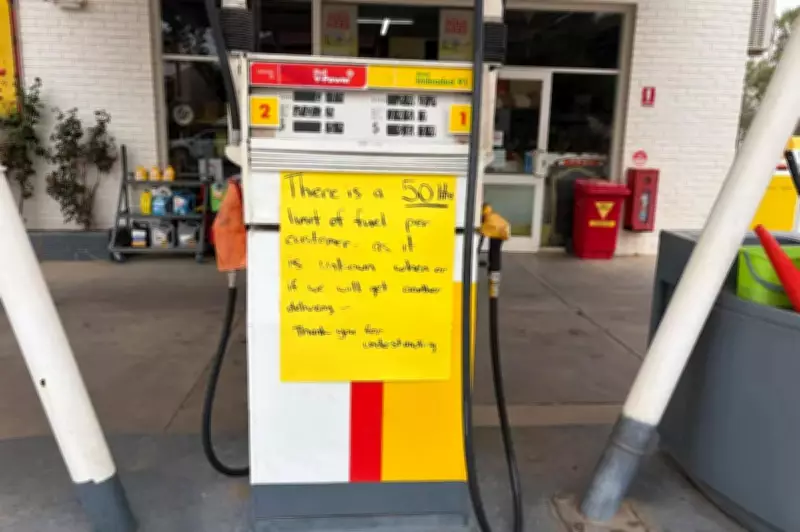
In a developing crisis in Western Australia, the Shell York service station is facing a severe shortage of petrol, with supplies dwindling rapidly and farmers being turned away as the countdown to complete depletion begins. This situation has sparked significant concern among local agricultural communities and motorists, highlighting broader issues with fuel availability in regional areas.
Critical Shortage at Shell York
The Shell York outlet, located in the Wheatbelt region, has reported that its petrol stocks are critically low, with only a few hours of fuel remaining before the pumps run dry entirely. Station staff have confirmed that they are actively monitoring the situation and have started turning away customers, including farmers who rely on fuel for essential farming operations such as harvesting and transportation.
This shortage comes at a particularly challenging time for the agricultural sector, as many farmers are in the midst of peak season activities. The inability to access petrol could lead to delays and financial losses, exacerbating existing pressures from fluctuating commodity prices and weather conditions.

Impact on Local Farmers and Community
Farmers in the York area have expressed frustration and anxiety over the fuel crisis. Many depend on regular fuel supplies to power machinery and vehicles critical to their livelihoods. With Shell York being a key refueling point in the region, its depletion forces farmers to seek alternatives, which may involve longer travel distances and higher costs, further straining their budgets.
Local residents and businesses are also affected, as reduced fuel availability can disrupt daily commutes and economic activities. The community is calling for urgent solutions to address the supply chain issues that have led to this predicament.
Broader Context of Fuel Prices and Supply
This incident occurs against a backdrop of rising petrol prices and supply chain disruptions across Australia. Factors such as global oil market volatility, logistical challenges, and increased demand have contributed to sporadic shortages in regional areas. In Western Australia, remote locations like York are particularly vulnerable due to their reliance on limited distribution networks.
Authorities and industry stakeholders are being urged to investigate the root causes of the shortage and implement measures to prevent similar occurrences in the future. This includes improving fuel storage capacities, enhancing transportation infrastructure, and ensuring better coordination between suppliers and retailers.
Looking Ahead: Solutions and Recommendations
To mitigate the immediate impact, Shell and other fuel providers are exploring options to replenish stocks at the York station as quickly as possible. However, long-term strategies are needed to bolster fuel security in regional Western Australia. Suggestions include diversifying supply sources, investing in renewable energy alternatives, and fostering community-based initiatives to reduce dependency on traditional petrol.
As the situation unfolds, residents are advised to stay informed through local news updates and consider carpooling or using public transport where available to conserve fuel. The Shell York crisis serves as a stark reminder of the importance of resilient energy systems in supporting rural economies and lifestyles.