Perth Petrol Prices Skyrocket, Threatening 'Cheap Tuesday' Tradition
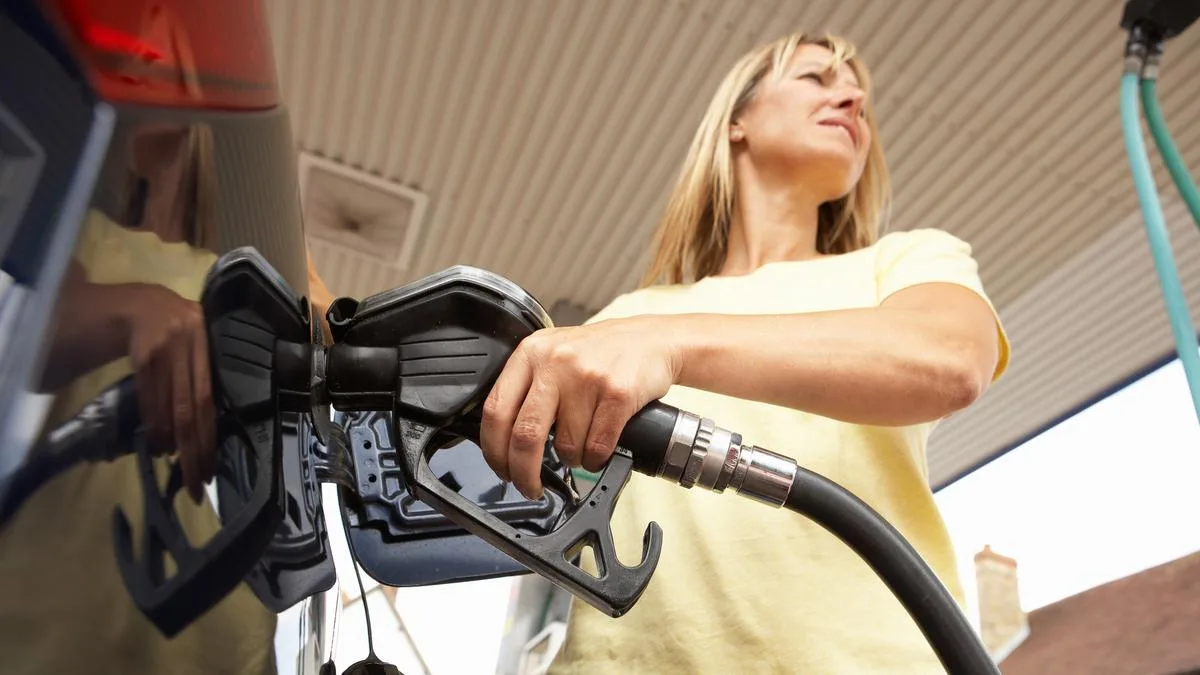
Perth motorists are facing a sharp and unexpected surge in petrol prices, with the average cost set to be approximately 35 cents per litre more expensive on Tuesday compared to just one week ago. This dramatic increase threatens to upend what has become widely known as "cheap fuel" day in the city, disrupting the typical weekly price cycle that residents have come to rely on for budget planning.
Official Figures Reveal Steep Climb
According to official data from FuelWatch, the average price of regular unleaded petrol in Perth will reach 193.8 cents per litre on Tuesday. This marks a significant jump from 159.3 cents per litre recorded a week earlier, highlighting a rapid escalation in fuel costs that is putting pressure on household budgets across the metropolitan area.
The price surge is particularly concerning as it challenges Perth's established weekly petrol price pattern. Normally, average prices peak on Wednesday and then gradually ease over the subsequent six days, offering relief to consumers. However, with Tuesday's spike, this cycle is being thrown into disarray. For context, the average price on Friday was already elevated at $1.87 per litre, indicating a trend of rising costs.
Brand-Specific Pricing and Regional Impacts
Among the major fuel retailers, Caltex will charge the highest average price on Tuesday at 202.3 cents per litre for unleaded petrol. It is closely followed by Reddy Express at 201.9 cents and United at 194.8 cents. The most expensive individual price point across Perth will be 209.9 cents per litre, found at several Shell and BP stations, including locations in Mount Lawley and Redcliffe.
On the more affordable end, 7-Eleven will offer the cheapest fuel among the big brands at 186.3 cents per litre. However, the overall cheapest petrol in Perth will be available at Costco, priced at 172.7 cents per litre, providing a slight reprieve for savvy shoppers. Meanwhile, regional areas are also feeling the pinch, with the Shire of Trayning in the Wheatbelt reporting that Great Southern Fuels has begun restricting the hours customers can pump fuel from their bowsers, reflecting broader supply constraints.
Middle East Conflict Drives Panic Buying
The primary driver behind this petrol price increase is the ongoing war in the Middle East, which has sparked widespread panic buying among consumers. The conflict is already disrupting the supply of crude oil through the critical Strait of Hormuz, a major shipping route for global oil exports. This disruption has led to fuel rationing by distributors, including United Petroleum, Australia's largest independent retailer, further exacerbating the shortage and pushing prices higher.
As tensions escalate, the situation underscores the vulnerability of fuel markets to geopolitical events, with immediate repercussions for everyday Australians. Motorists are advised to monitor prices closely and consider alternative transport options where possible to mitigate the financial impact of this sudden and substantial fuel cost hike.