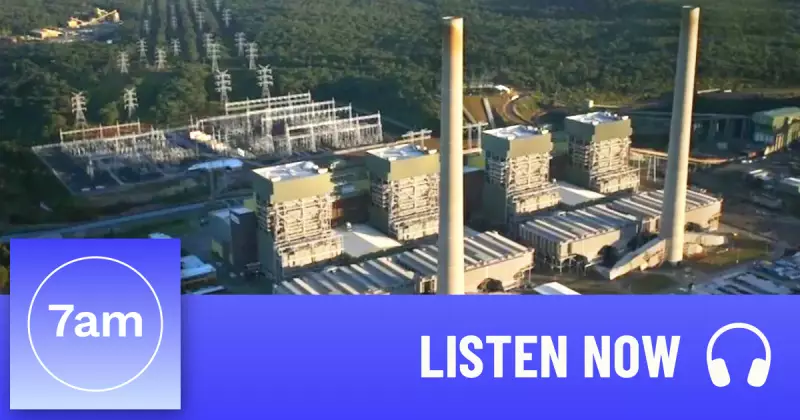
Large areas of Australia were plunged into darkness during the crucial morning peak on Thursday, as a cascading failure of multiple power stations triggered major blackouts. The incident, which began around 7am, forced the national energy market operator to implement emergency load shedding to prevent a complete collapse of the grid.
Grid Under Pressure: A Cascade of Failures
The crisis unfolded rapidly in the early hours of December 5th, 2025. According to reports, several major power stations experienced simultaneous technical failures just as energy demand was surging with the start of the business day. The Australian Energy Market Operator (AEMO) was forced to intervene, instructing network companies to deliberately cut power to sections of the grid in a process known as load shedding.
This drastic action was taken to stabilise the system and avoid an even more widespread and prolonged blackout. While preventing a total grid failure, the controlled outages left thousands of households and businesses without electricity during the morning commute and the start of the workday. Traffic lights failed, public transport experienced delays, and offices were disrupted.

Investigating the Root Cause
Energy experts and authorities are now scrambling to determine the exact sequence of events that led to such a significant simultaneous failure. Early indications suggest the problems may have originated with a combination of unplanned generator outages and insufficient reserve capacity in the system. The failures reportedly occurred across multiple states, highlighting the interconnected nature of the national electricity grid.
The timing of the incident, at the precise peak of morning demand, exacerbated the situation. As people woke up, turned on appliances, and businesses powered up their operations, the sudden loss of generation capacity created an immediate and severe shortfall. AEMO's automated systems detected the frequency drop and enacted the load shedding protocols.
Broader Implications for Energy Security
This major disruption is expected to reignite fierce debate about Australia's energy security and the transition to renewable sources. Critics of the current energy policy are likely to point to the event as evidence of grid instability, while proponents of renewables will argue it underscores the need for faster investment in storage and distributed generation.
The economic impact of the blackouts is still being assessed, but losses are expected to run into the millions due to halted productivity, spoiled goods, and general disruption. Energy ministers have been briefed, and a full review into the power station failure has been announced. The focus will be on whether more could have been done to anticipate the shortfall and if contingency plans were adequate.
For now, AEMO has reported that the grid has been stabilised and full power restored to all affected areas. However, the incident serves as a stark reminder of the fragility of complex energy systems and the profound impact their failure has on everyday life. The investigation's findings will be closely watched by industry, government, and the public alike.