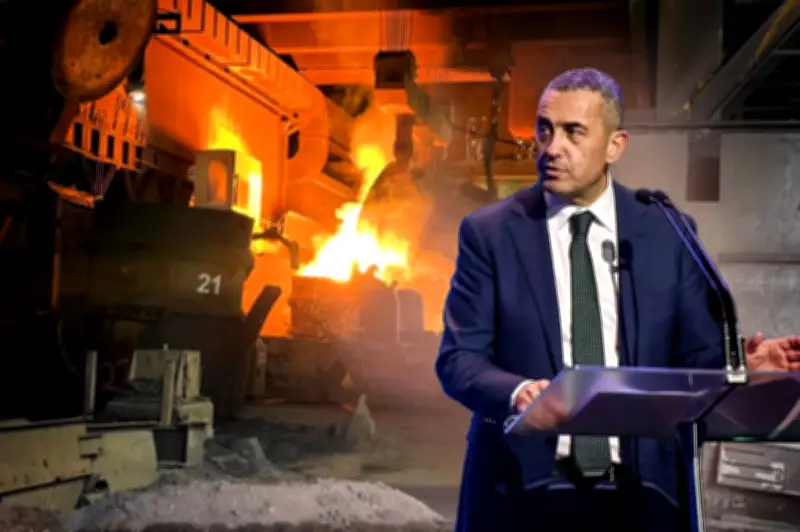
Iran Crisis Fuels Fresh Warnings Over Whyalla Gas Strategy in South Australia
A new report has issued stark warnings that South Australia risks turning into "a laggard" if the state government continues to champion its 'gas is king' policy for the future of steelmaking at Whyalla. The caution comes amid heightened global tensions, including the Iran crisis, which underscores the volatility of relying heavily on fossil fuels.
Government's Gas-Focused Approach Under Scrutiny
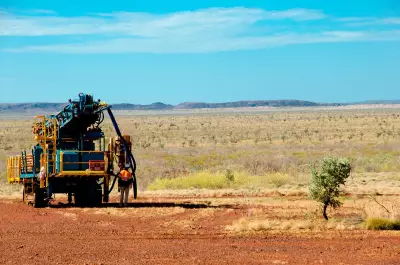
The report highlights that the state government's unwavering push for gas as a primary energy source for the Whyalla steelworks could hinder South Australia's economic competitiveness and environmental progress. This strategy, which includes a deal with Santos locked in before the recent state election, is now facing increased scrutiny due to external geopolitical factors.
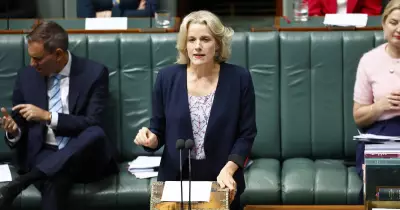
Treasurer Tom Koutsantonis has comprehensively ruled out state government ownership of the Whyalla Steelworks, emphasizing a private-sector-led approach. However, critics argue that this stance may exacerbate the risks associated with the gas-dependent plan, especially as global energy markets become more unpredictable.

Implications of the Iran Crisis on Energy Security
The ongoing Iran crisis has sparked fresh concerns about energy security and supply chains worldwide. In this context, the report suggests that South Australia's reliance on gas for steel production could leave the state vulnerable to price shocks and disruptions, potentially stalling industrial growth and innovation.
Key points from the report include:
- South Australia may fall behind other regions that are investing in renewable energy and advanced manufacturing technologies.
- The Santos deal, while securing short-term gas supplies, does not address long-term sustainability goals.
- Global instability, such as the Iran crisis, highlights the need for diversified and resilient energy strategies.
Future Outlook for Whyalla Steelworks
As the debate intensifies, stakeholders are calling for a reevaluation of the state's energy policies to incorporate more renewable sources and reduce dependency on gas. The report urges the government to consider alternative pathways that align with global trends toward decarbonization and energy independence.
In summary, the Iran crisis has amplified warnings about South Australia's pursuit of gas use at Whyalla, with experts cautioning that without a shift in strategy, the state could indeed become a laggard in the evolving global economy.