Hunter Commuters Embrace Public Transport as Fuel Costs Soar
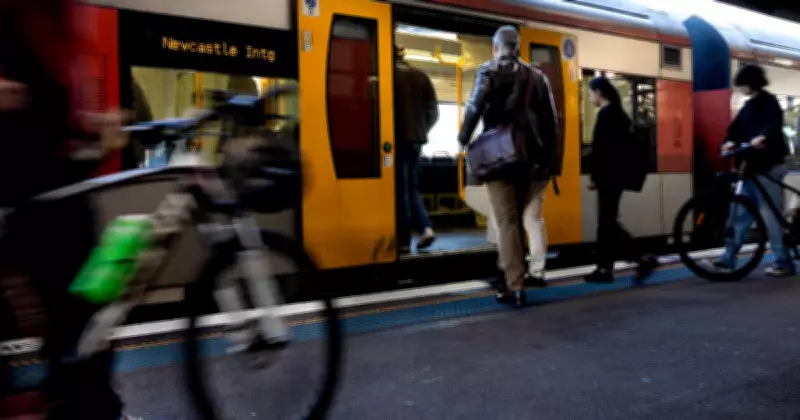
Rising fuel prices are prompting a notable shift in commuting habits across the Hunter region, with more residents opting for public transport over private vehicles. According to recent Transport for NSW data, train patronage has seen a modest increase of between five and 34 percent across the Lower Hunter network from early February to the end of March 2026.
Regional Patronage Trends and Anecdotal Evidence
The data highlights varying levels of public transport usage across local government areas. In March, the Newcastle local government area recorded the highest number of average weekday trips at 4357, followed by Lake Macquarie with 2609, Maitland with 1265, Singleton with 39, and Cessnock with 13. With the exception of Maitland, patronage levels were up compared to March 2025.
Anecdotal reports strongly support these figures, indicating that skyrocketing fuel prices are a primary driver behind the change. The Two More Trains for Singleton group noted a noticeable increase in commuters traveling from Singleton to Newcastle earlier this week, reflecting broader regional trends.

Challenges and Broader State Context
While train usage is on the rise, accurate Opal data for the Newcastle Bus network remains unavailable due to ongoing industrial action by bus drivers. However, informal observations suggest that bus services are also experiencing higher ridership.
The increase in public transport use in the Hunter region aligns with patterns observed elsewhere in New South Wales. A Transport for NSW spokeswoman commented, "There has been a consistent flow of passengers across the public transport network over the last few weeks. Transport for NSW welcomes new passengers every day to the network, while continuing to provide regular timetable services across the public transport system."
She added, "Using public transport is a viable alternative that helps reduce the cost of travel."
Ferry and Light Rail Usage Insights
The data also provides insights into other modes of public transport. In March 2026, there were 1270 average weekday daily ferry trips, representing a slight decrease of 116 trips, or 0.2 percent, compared to March 2025. Similarly, light rail trips averaged 3288 per weekday, down by 1 percent, or 205 passengers, from the previous year.
Government Response and Broader Implications
Despite the ongoing fuel crisis showing no signs of abating, the state government has ruled out implementing free public transport. NSW Premier Chris Minns stated earlier this month, "There's no such thing as free public transport, at the end of the day someone's paying for it, and NSW consumers will pay for free public transport."
He indicated plans to make changes for struggling families but emphasized the need for evidence-based approaches that materially impact fuel supply.
The fuel crisis is also affecting other sectors, with multiple Australian councils proposing new fees for bin collection and waste management to offset increased fuel costs. Ratepayers in regional NSW and Sydney suburbs could face new waste collection fees as early as July, as councils factor anticipated fuel charges into their 2026/27 budgets.
This shift in commuting behavior underscores the broader economic pressures facing households and the potential long-term changes in transportation patterns as fuel prices remain high.