Fuel Shortage Sparks Political Clash as Australians Urged to Avoid Panic Buying
Australians are being strongly urged to avoid panic buying fuel despite reported shortages in various parts of the country. The supply crunch has ignited a fiery political clash on the Sunrise morning program, highlighting deep divisions over energy security.
Government Defends Fuel Reserves Amid Regional Shortages
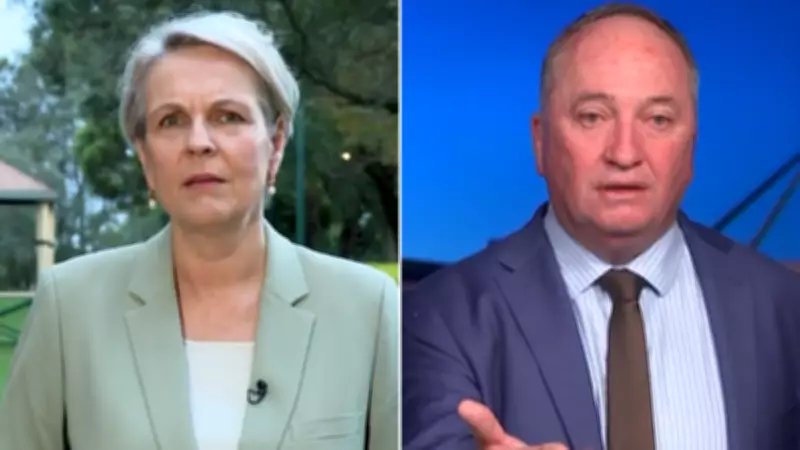
Social Services Minister Tanya Plibersek has defended the nation's fuel reserves, insisting Australia maintains strong stockpiles. She warned that panic buying could rapidly worsen local supply problems in communities already reporting low fuel levels.
"We have had the biggest fuel stocks that we've had any time in 15 years," Plibersek declared during the heated exchange. "We've still got three billion litres of diesel. We've got one and a half billion litres of petrol."

The minister argued the federal government has taken significant steps to strengthen Australia's fuel security following years of declining domestic refining capacity. She pointed to efforts to bring emergency fuel reserves back to Australian soil and to keep the country's last remaining refineries operational.
"When Angus Taylor was the energy minister, they were holding Australian emergency fuel stocks in Texas," Plibersek noted. "There were six refineries in Australia when the Coalition was in government, four of them closed ... we acted to keep the final two open."
Plibersek revealed additional fuel shipments are already en route to Australia, with more supply expected to arrive in coming days. "There are still ships on the way, so the last thing we want to see is panic buying," she emphasized.
Joyce Blames Climate Policies for Fuel Vulnerability
Senator Barnaby Joyce rejected the government's explanation for the shortages, arguing Australia's fuel vulnerability stems directly from climate policies that have made it increasingly difficult to keep refineries operating.
"We don't have to worry about panic buying, there is no fuel for the retailers to get from the wholesalers of the petrol," Joyce claimed, dismissing warnings about panic purchasing.
The former deputy prime minister argued policies designed to reduce emissions have actively discouraged investment in domestic refining capacity. "We have things which the Labor Party supported, the safeguard mechanism, because the refineries put out too much carbon dioxide," Joyce explained.
"I hope you're enjoying climate policy. This is what you get. And what we're going to have is a massive problem for Australia," he warned during the tense exchange.
Escalating Debate Over Refinery Closures and Policy
Sunrise host Nat Barr echoed Plibersek's point that many Australian refineries shut down while the Coalition was in government. Joyce responded by doubling down on his criticism of climate policy, even calling for the climate change department to be abolished entirely.
"We need policy that supports Australia, not tries to change the weather," Joyce declared.
Plibersek appeared baffled by Joyce's claims, accusing him of suggesting the war in the Middle East was somehow connected to Australia's climate policies. "He thinks the war in Iran is somehow linked to climate change policy," she said, dismissing Joyce's arguments as "madness" and accusing him of being "obsessed with climate change policy."
Joyce hit back immediately, stating "the fuel crisis is linked to the climate change policy because you got rid of your refineries." When confronted with the fact that refineries also closed during his party's time in government, Joyce conceded the Coalition had failed to meet international fuel security recommendations.
"When we were in government, we had the wrong policy; we only had 30-plus days instead of 90 days," he admitted.

Motorists Brace for Rising Prices Amid Global Disruption
The political clash comes as motorists nationwide brace for rising petrol prices, with the escalating conflict in the Middle East disrupting global energy supplies. Unleaded prices are already nudging $2.20 per litre at some Melbourne outlets, approximately 10 cents higher than experts suggest they should be.
Treasury predictions indicate inflation could rise by 0.15 percent, while fuel prices may climb by 3.5 percent. Westpac economists have issued warnings that petrol could potentially spike to as much as $3 per litre, adding significant pressure to households already grappling with the rising cost of living.
Australia's fuel reserves have consistently hovered between approximately 25 and 35 days for over a decade, well below the International Energy Agency's recommendation that countries maintain at least 90 days of fuel supply. This ongoing vulnerability has now become the focal point of intense political debate as regional communities report dwindling fuel supplies and motorists face the prospect of further price hikes.