Fuel Crisis Strikes South Australian Town, Residents Forced into Lengthy Journeys
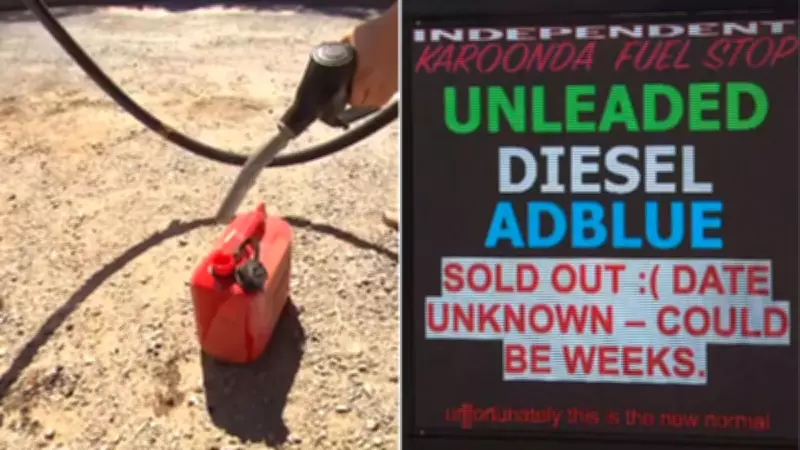
A critical fuel shortage has emerged prematurely in South Australia, plunging the Mallee town of Karoonda into a dire situation with completely empty bowsers. This development compels residents to undertake exhausting 100-kilometer round trips merely to refuel their vehicles, highlighting a growing disparity in resource distribution.
Local Independent Station Claims Neglect by Suppliers
The sole independent service station in Karoonda reports being effectively abandoned as major fuel suppliers allegedly prioritize larger chain outlets over small independents. This prioritization has left the town, renowned for its historic population and significant wool production, grappling with an unprecedented fuel drought amidst existing challenges like prolonged dry spells and population decline.
With fuel reserves exhausted and no imminent deliveries scheduled, local farmers, pensioners, and small business owners express they are reaching a breaking point. Karoonda Fuel Stop has been unable to secure a consistent supply, with operators informed that fuel companies are concentrating their efforts on servicing Adelaide first.

Operators and Community Voice Desperation
Jasmine Russell, representing Karoonda Fuel Stop, confirmed the complete depletion of both petrol and diesel stocks. "We don't have fuel, and we don't know when we will have fuel next," she stated, attributing the crisis partially to panic buying that has prevented her from receiving full orders to replenish the station's 2000-liter tanks.
Russell described heart-wrenching scenes where individuals arriving with nearly empty tanks have been brought to tears upon being turned away. "Everyone is buying it as soon as they can get it, so it's gone as soon as it's in the tank," she explained. "If everyone slowed down, we would still have fuel."
Widespread Impact Across Regional South Australia
Karoonda is not isolated in this predicament. Other townships including Lameroo, Whyalla, Ceduna, and Kimba have reported similar shortages, with even larger chain service stations experiencing low supplies or complete dryness. In response, some stations in areas like Meadows within the Adelaide Hills have begun imposing limits on diesel purchases to manage dwindling reserves.
The ramifications extend deeply into essential services and agriculture. Russell emphasized that local farmers are unable to fuel their machinery, while emergency services such as the Country Fire Service cannot refill their trucks, and school buses face operational halts, jeopardizing children's education access.
Economic and Supply Chain Concerns Intensify
Compounding the issue, Russell anticipates being forced to increase fuel prices to offset sudden wholesale cost hikes, a move that previously drew complaints but was unavoidable given the lack of alternatives. "Now we have nothing, and we are just getting complaints. But there is nothing we can do about it," she lamented.
Despite national assurances of a 30-day fuel reserve, Russell remains skeptical, noting that her station might only receive a mid-week shipment, with priority again likely given to larger servos. "We are waiting for a boat to come, but then that would supply the bigger servos first, then the local independents," she revealed, advising travelers to ensure full tanks before leaving Adelaide.
Appeals for Rational Consumption and Fair Treatment
Russell issued a plea to the public to curb panic buying, urging consumers to purchase only what is necessary to ensure others, particularly farmers, can access fuel. She warned that continued shortages could potentially impact food prices, underscoring broader economic implications.
Local residents fear this crisis signals a troubling trend where small towns struggle to compete with major chains for limited supplies. One Karoonda inhabitant articulated a simple request: "We're not asking for special treatment, just a fair go — and enough fuel to keep the town alive." This sentiment echoes a growing call for equitable resource distribution to sustain regional communities amidst mounting challenges.