The body that regulates Western Australia's essential services has given the green light to a substantial increase in the price of transporting gas through the state's main artery, a move that will add close to a billion dollars to costs over the coming half-decade.
Regulator Approves Major Pipeline Price Hike
The Economic Regulation Authority (ERA) confirmed on Thursday, 18 December 2025, a 33 per cent rise in usage charges for the critical Dampier to Bunbury Natural Gas Pipeline (DBNGP). The new charges will take effect from the 1st of January 2026, following months of indication that such an increase was likely. This decision permits the pipeline's owner, Australian Gas Infrastructure Group (AGIG), to collect significantly higher revenue from its operation.
Over the five-year period from 2026 to 2030, AGIG is now forecast to earn just under $2.5 billion in revenue from the pipeline. This marks a sharp increase from the $1.54 billion it garnered in the previous five-year regulatory period. The ERA stated it had trimmed $45 million from the company's initial spending proposal, ensuring the outlay was prudent and efficient.

Impact on Users and the Energy Transition
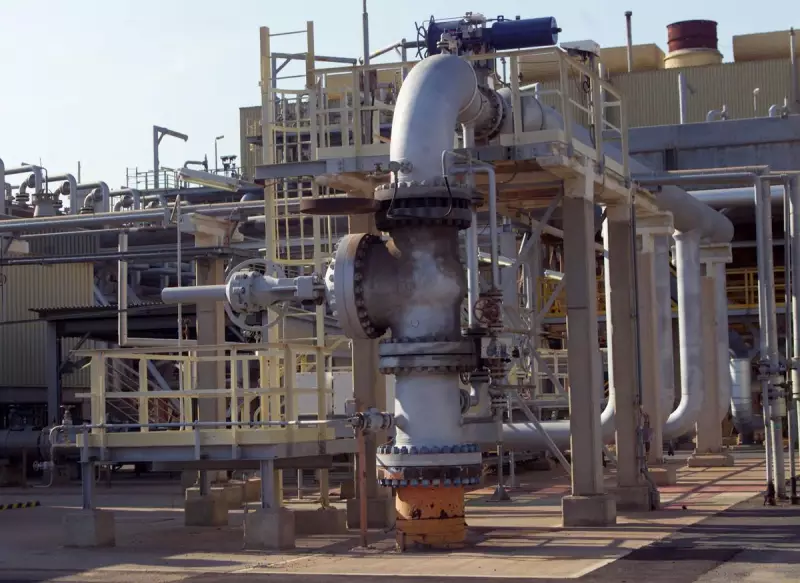
The 1,600-kilometre pipeline, which runs from the Pilbara to Bunbury and supplies most of the state's gas including to the Perth metropolitan area, is a foundational piece of WA's energy infrastructure. The looming price rise will be felt most acutely by major industrial users, reflecting the broader economic pressures of higher inflation and increased interest rates since 2022.
For household consumers, the State Government's ceiling price cap offers some protection, with transmission costs typically constituting between 5 and 10 per cent of a final gas bill. ERA Chair Steve Edwell highlighted the uncertain future for natural gas demand in WA, noting its expected long-term decline as governments pursue net zero emissions targets, but acknowledging that current demand remains robust.
Industry expert Richard Harris described the regulatory decision as reasonable, arguing it enables the pipeline to continue its vital role during the shift to renewable energy. "The increased revenue is required to enable the pipeline to be managed more flexibly going forward, delivering gas at short notice to back up renewables," Mr Harris explained. This new operating protocol requires careful management of pipeline storage to ensure quick availability. A second recent change allowing bidirectional gas flow on the line is also seen as a benefit for users.
Balancing Costs with Future Needs
The ERA's ruling underscores the complex financial realities of maintaining essential fossil fuel infrastructure during an energy transition. While the pipeline remains crucial for current energy security and industrial activity, its operators face rising capital costs. The authority must balance these needs against the financial burden on consumers and the state's economic competitiveness.
Mr Edwell pointed to potential growth from developing onshore gas fields in WA as a factor in the pipeline's ongoing importance. The final decision aims to ensure the DBNGP can operate reliably and adaptably, even as the broader energy mix evolves towards cleaner sources, but at a significant and immediate cost to those who rely on its service.