Australia's fuel reserves have surged past pre-Iran war levels, marking a significant milestone in the nation's energy security strategy. The Department of Industry, Science, Energy and Resources confirmed that the country's combined fuel stocks—including crude oil, petrol, diesel, and jet fuel—now exceed the volumes held before the conflict in Iran began in 2024.
Strategic Stockpiling Pays Off
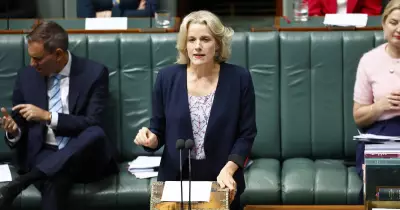
The increase is attributed to a combination of increased domestic production, strategic stockpiling, and diversified import sources. Energy Minister Chris Bowen stated, "We've learned from past disruptions and have built a buffer that ensures Australians won't face shortages even in the most volatile global markets." The reserves now stand at 58 days of net oil imports, up from 45 days in early 2024.
Global Context
The Iran war, which erupted in late 2024, initially caused a spike in global oil prices and supply chain disruptions. Australia, heavily reliant on imported crude, faced potential fuel shortages. In response, the government activated emergency protocols, including the release of stocks from the National Petroleum Reserve and incentives for domestic refiners to boost output.

Industry analysts note that Australia's proactive approach contrasts with some other nations that struggled to maintain supply. "Australia's fuel security is now among the best in the Asia-Pacific region," said Dr. Sarah Johnson, an energy policy expert at the University of Sydney. "The combination of government intervention and private sector cooperation has proven effective."
Domestic Production and Refinery Upgrades
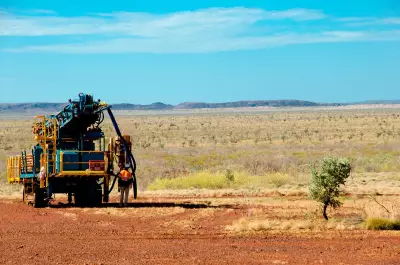
Key to the recovery has been the ramp-up of production at the Viva Energy refinery in Geelong and the Ampol refinery in Brisbane, both of which underwent upgrades in 2025. These facilities now process a higher proportion of locally sourced crude, reducing dependence on Middle Eastern imports. Additionally, the government's $500 million Fuel Security Package, announced in 2024, provided grants for storage expansion and pipeline improvements.
Impact on Consumers
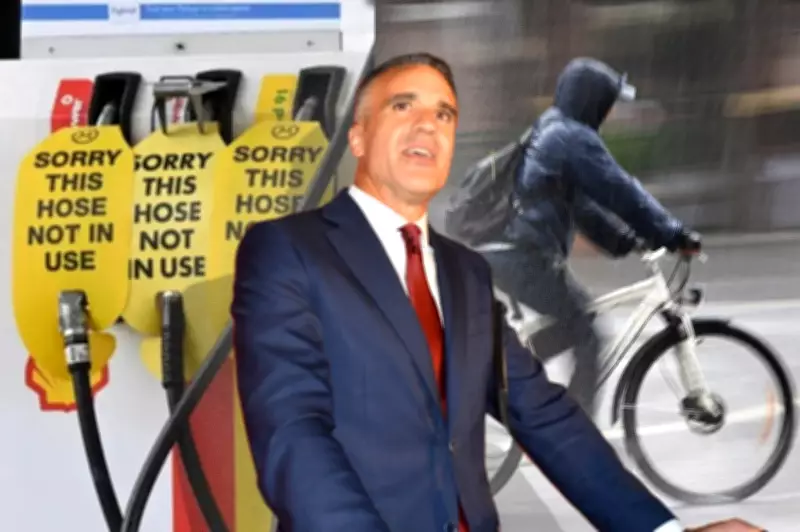
For motorists, the improved reserves have helped stabilise petrol prices, which peaked at $2.50 per litre during the height of the Iran conflict but have since fallen to around $1.80. The Australian Automobile Association welcomed the news, noting that fuel affordability remains a key concern for households.
Looking ahead, the government plans to further increase reserves to meet the International Energy Agency's recommended 90-day target by 2030. Bowen emphasised that the current achievements are just the beginning: "We will continue to invest in energy independence, including renewable fuels and electric vehicle infrastructure, to ensure long-term resilience."