Australia's Fuel Crisis: Over-Reliance on Middle East Leaves Nation Vulnerable
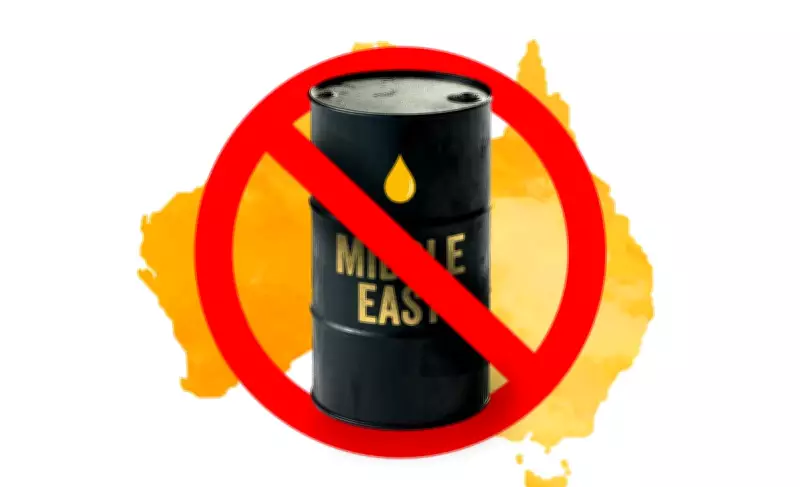
Cameron Milner argues that Australia's heavy dependence on Middle Eastern oil is creating a severe national security and economic vulnerability. With 60 per cent of the country's fuel sourced from this volatile region, the current fuel crisis highlights a critical lack of energy sovereignty.
Energy Insecurity and Geopolitical Risks
Australians are already grappling with heightened national security concerns, particularly after events like the Bondi massacre. Now, economic insecurity is compounding these fears due to the ongoing fuel crisis. This situation stems from Australia sourcing the majority of its oil from the Middle East, a region dominated by unstable regimes and extremist groups.
The nation's fuel reserves have dwindled to just over 30 days, far below the recommended 90-day supply, due to neglect by successive governments. Australia relies on Asian refineries that, in turn, import crude oil through the Strait of Hormuz, currently blocked by Iranian extremists. Despite international efforts to reopen this vital route, Australia's response has been limited to diplomatic gestures rather than tangible military support.

Renewables and the Need for Reliable Fuel
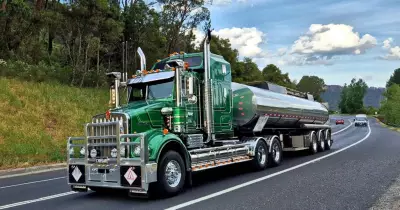
While Australia's transition to renewable electrical energy has been commendable, the condemnation of carbon-based resources has hindered new oil and gas exploration. This stance is particularly problematic given the country's vast geography, where essential services like truck deliveries, aviation, and operations in farming, mining, and First Nations communities depend heavily on diesel and other fuels.
The solution to fuel insecurity is not more renewable electricity but ensuring access to reliable and affordable fuel. Suggestions such as working from home or driving slower fail to address the core issue: Australia's defence and way of life are at risk due to this vulnerability.
Middle Eastern Instability and Global Implications
The Middle East is not a stable democratic region but a collection of Islamic states, including tribal autocracies, kingdoms, and a terrorist state like Iran, which seeks nuclear capabilities. Iran's ballistic rockets could reach major global cities, and its regime has a history of human rights abuses, including public executions and suppression of dissent.
Even wealthy Gulf states face their own vulnerabilities, such as limited drinking water supplies in Saudi Arabia and damaged gas fields in Qatar. The illusion of security in places like Dubai has been shattered by conflicts, demonstrating that reliance on these nations for energy is untenable.
Call for National Action and Leadership
Australia's response to the crisis has been criticised as insipid and conflicted. Prime Minister Anthony Albanese's initial support for international efforts was not backed by substantial action, leading to public discontent. There is a growing call for a wartime footing to restore energy security and sovereignty.
The country possesses significant untapped gas and oil reserves that could be developed with high environmental standards. However, green tape and state-level moratoriums, often influenced by political pressures, have stalled progress. Leaders like Matt Canavan and Tony Abbott advocate for a re-evaluation of Australia's oil and gas future, though such proposals face opposition from within Labor.
Conclusion: A Wake-Up Call for Self-Reliance
As fuel shortages lead to petrol station closures, flight cancellations, and rising food prices, Australians must recognise the urgency of achieving energy independence. The government must not only address homegrown extremism but also implement a robust fuel security plan that reduces dependence on the Middle East. Failure to act could leave the nation's lifestyle and security perpetually at the mercy of geopolitical whims.