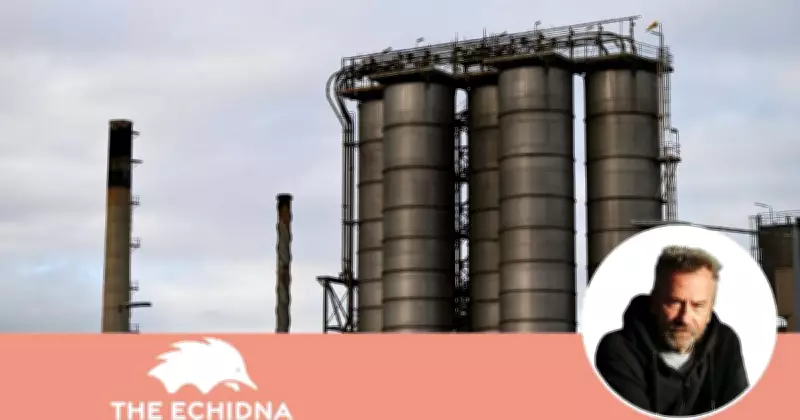
Australia's fuel security is facing increased scrutiny following a series of attacks on global oil infrastructure, which have highlighted the nation's vulnerability to supply disruptions. The attacks, which targeted key oil facilities in the Middle East, have sent shockwaves through global energy markets, prompting Australian policymakers to reassess the country's strategic fuel reserves.
Global Oil Attacks Spark Concerns
Recent drone and missile strikes on oil installations in Saudi Arabia and other Gulf states have temporarily knocked out a significant portion of global oil production. These incidents have underscored the fragility of the international oil supply chain and raised questions about Australia's preparedness in the event of a prolonged disruption.
Impact on Australia
Australia relies heavily on imported crude oil and refined petroleum products, with domestic refineries struggling to meet demand. The country holds about 50 days' worth of fuel reserves under the International Energy Agency's requirements, but experts warn that this may not be sufficient in a crisis. The attacks have prompted calls for the government to accelerate plans to build additional storage facilities and bolster domestic refining capacity.

Transport Minister Catherine King acknowledged the concerns, stating that the government is closely monitoring the situation and working with industry to ensure fuel security. "We are taking this very seriously and are committed to strengthening our fuel resilience," she said.
Government Response
In response to the heightened risks, the Australian government has announced a review of its fuel security policies, including potential investments in new storage infrastructure and incentives for domestic refining. The opposition has criticized the government for not acting sooner, arguing that the nation's fuel security has been neglected for years.
Industry Perspectives
The fuel industry has also weighed in, with the Australian Petroleum Production and Exploration Association (APPEA) calling for a comprehensive strategy that includes diversifying supply sources and increasing emergency reserves. "We need a multi-faceted approach that addresses both immediate and long-term risks," said APPEA CEO Samantha McCulloch.
Meanwhile, the Australian Institute of Petroleum (AIP) emphasized the importance of maintaining a competitive refining sector. "A robust domestic refining industry is crucial for our energy security," said AIP CEO Paul O'Malley.
Looking Ahead
The attacks have reignited debates about Australia's energy independence and the need to transition to renewable sources. While the government has set ambitious targets for net-zero emissions by 2050, critics argue that more immediate action is needed to secure fuel supplies in the interim. As global tensions persist, Australia's fuel security will remain a critical issue for policymakers and the public alike.