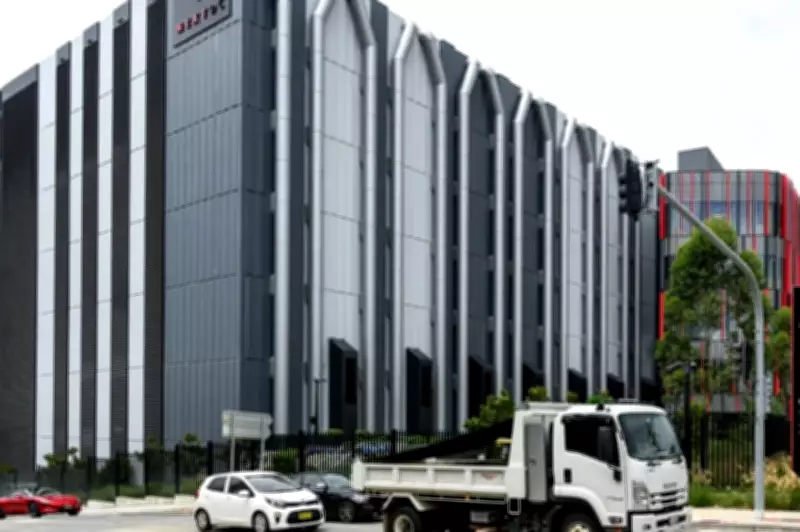
Data Centre Energy Demand Set to Triple in Australia
A new report has revealed that Australia's data centres could consume three times more electricity by 2030 than they do today, placing immense pressure on the national grid and complicating emissions reduction goals. The surge is driven by the rapid expansion of cloud computing, artificial intelligence, and digital services.
Key Findings of the Report
The report, commissioned by the Australian Energy Market Operator (AEMO), forecasts that data centre energy use will rise from the current 5 terawatt-hours (TWh) per year to approximately 15 TWh by 2030. This growth is equivalent to adding the electricity demand of 1.5 million homes. The projected increase is attributed to the proliferation of hyperscale data centres and the intensification of computing workloads.
According to the report, data centres currently account for about 2% of Australia's total electricity consumption, but this could reach 6% by the end of the decade. The most significant growth is expected in New South Wales and Victoria, where major data centre hubs are located.

Implications for the Grid and Emissions
The escalating energy demand poses significant challenges for grid stability and Australia's commitment to net-zero emissions by 2050. Without substantial investment in renewable energy and energy efficiency measures, the additional load could lead to higher electricity prices and increased reliance on fossil fuels.
Dr. Sarah Thompson, an energy analyst at the University of Melbourne, said, "Data centres are becoming a major driver of electricity demand. If we don't decarbonise the grid fast enough, these facilities could lock in high emissions for decades."
Industry Response and Solutions
In response, the data centre industry is exploring various strategies to mitigate energy consumption. These include adopting more efficient cooling technologies, using renewable energy sources, and locating facilities near renewable energy zones.
Major players such as NextDC and Equinix have committed to powering their Australian data centres with 100% renewable energy by 2030. However, critics argue that these pledges may not be enough given the pace of demand growth.
The Australian Information Industry Association (AIIA) has called for government incentives to accelerate the deployment of renewable energy and grid infrastructure. "We need a coordinated approach between industry and government to ensure that data centre growth is sustainable," said AIIA CEO Simon Bush.
Government and Regulatory Perspectives
The federal government has acknowledged the issue and is working on a national data centre strategy. Energy Minister Chris Bowen stated, "We are committed to ensuring that Australia's digital future is powered by clean energy. We will be engaging with states and territories to streamline approvals for renewable projects."
Meanwhile, the Australian Energy Regulator (AER) is considering new rules to require data centres to participate in demand response programs, which would help balance the grid during peak periods.
Looking Ahead
As Australia continues its digital transformation, the energy demands of data centres will remain a critical policy issue. Balancing economic growth, digital innovation, and environmental sustainability will require innovative solutions and strong collaboration across sectors.