Unions Demand 5% Minimum Wage Hike for Australia's Lowest-Paid Workers
Thousands of Australia's most vulnerable workers could receive a significant pay increase as unions intensify their campaign for a 5 per cent rise to the national minimum wage. The Australian Council of Trade Unions (ACTU) has declared that the current minimum wage falls $262 per week short of what workers require to maintain a healthy standard of living, with persistent cost-of-living pressures continuing to impact household budgets.
Focus on Award-Reliant Workers
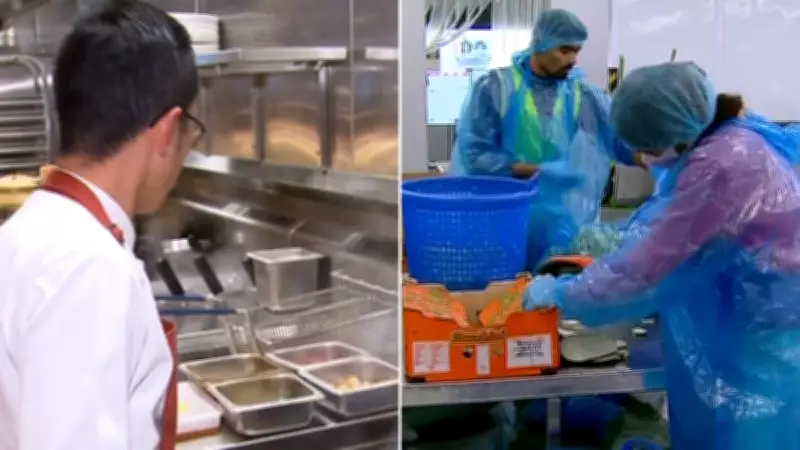
The union push specifically targets award-reliant workers, who constitute the bottom 23 per cent of earners across Australia. Many of these individuals work part-time or casual hours, placing them in particularly precarious financial positions. ACTU Secretary Sally McManus emphasized that these workers are experiencing the most severe effects of rising costs and require immediate financial relief.
"Award-reliant workers represent the lowest paid workers in our country," McManus stated during a television interview. "No worker is feeling cost of living pressures more intensely than them. They absolutely need this pay rise to get ahead of inflation."

McManus explained that these workers have limited options when facing increased expenses for rent, mortgages, groceries, or petrol. "This is their primary opportunity to secure a pay increase that not only matches inflation but also helps them regain financial ground," she added.
Recovering from Inflation Damage
The union argues that this wage increase would assist workers in recovering from years of escalating prices. McManus revealed that low-paid workers remain financially worse off than they were before the recent inflation surge. "We're still attempting to recover from the damage caused by the previous inflation spike," she noted, highlighting the ongoing economic challenges facing this workforce segment.
Business Community Concerns
However, the proposal has already encountered resistance from some business sectors, with concerns that small businesses already under financial pressure might struggle to absorb higher wage costs. Critics worry that increased labor expenses could further strain struggling enterprises during challenging economic conditions.
Union Counterarguments
McManus firmly rejected these concerns, citing historical data from previous Fair Work Commission decisions. "Every year, we see this wage adjustment through the Fair Work Commission. The evidence is absolutely clear—it has no measurable effect on inflation," she asserted.
She further argued that the overall economic impact would be limited despite the number of workers affected. McManus explained that while 23 per cent of workers rely on awards, the proposed increase would affect only 0.6 per cent of the national payroll because these workers receive lower wages.
The union leader also contended that raising wages would benefit local economies. "Small businesses depend on people having disposable income to spend, not cutting back on purchases," McManus said. "Small enterprises have various methods to adjust to these changes while supporting their communities."
The debate continues as both sides present their arguments regarding this proposed wage increase that could significantly impact Australia's lowest-paid workers and the broader economic landscape.