WorkSafe ACT Issues Asbestos Warning for Canberra's Older Housing Stock
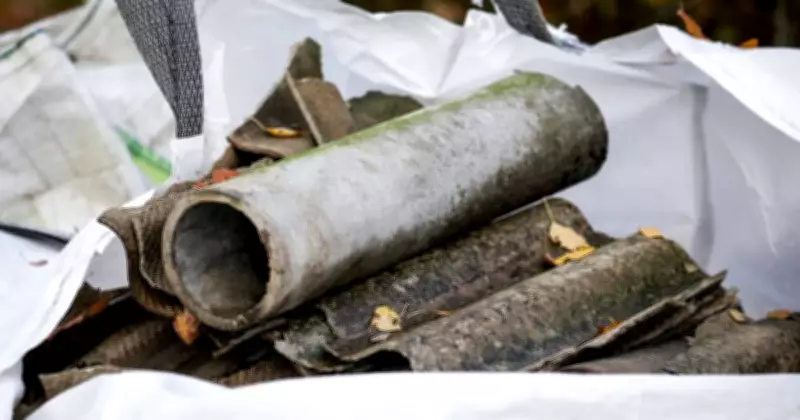
In a stark reminder of a lingering public health concern, WorkSafe ACT has clarified that its position on asbestos in residential buildings is not alarmist but a matter of established fact. The regulatory body states unequivocally that any residential building in the Australian Capital Territory that was constructed or underwent significant refurbishment before the year 1990 is likely to contain asbestos-containing material (ACM).
A Widespread Issue Across the Capital
This declaration takes on significant weight in Canberra, a city where a substantial portion of the housing stock dates from the post-war building boom through to the 1980s. Given this historical context, the presence of asbestos is far from a niche problem confined to a handful of unfortunate homeowners. Instead, it represents a pervasive reality for a large proportion of suburbs across the national capital.
The timeline is critical: asbestos was widely used in Australian construction for its fire resistance and durability until its dangers became fully recognised, leading to a phased ban that culminated in a complete prohibition on its use in 2003. Buildings from the mid-20th century are particularly at risk.

Understanding the Risks and Responsibilities
For residents and property owners, this information underscores the importance of vigilance, especially during renovations or maintenance work. Disturbing asbestos-containing materials can release hazardous fibres into the air, posing serious health risks, including mesothelioma and lung cancer, often decades after exposure.
WorkSafe ACT emphasises that managing this legacy material requires careful attention. Homeowners are advised to:
- Assume materials contain asbestos if the building was pre-1990.
- Engage licensed asbestos assessors or removalists for any suspected work.
- Avoid disturbing materials like insulation, flooring, or roofing that may contain ACM.
The agency's clear stance aims to foster greater awareness and proactive management, rather than incite panic, in a city built during the peak of asbestos use.