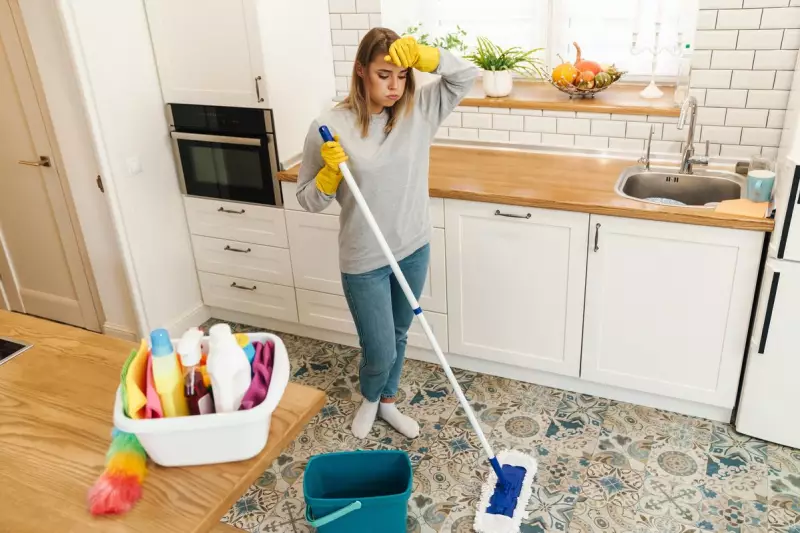
New data from the Australian Bureau of Statistics paints a stark picture of the persistent gender divide in household labour, with more than a third of Australian women reporting they feel constantly pressed for time. The latest How Australians Use Their Time report, released on Wednesday, details how those aged 15 and over allocated their hours in 2024.
The Unpaid Work Divide Persists
The report confirms that women continue to shoulder a significantly larger share of domestic duties, despite increased awareness and talk of generational change. On average, women dedicate about an hour more per day than men to core household chores like cleaning, meal preparation, and shopping.
This disparity is clear in participation rates: 57% of women reported spending time tidying and cleaning the home, compared to just 35% of men. Men were more likely to take on gardening, home maintenance, and vehicle upkeep. Interestingly, while more women managed home administration tasks like banking and planning, men who did these activities spent slightly more time on them.

Impact on Wellbeing and Free Time
The burden of this "second shift" is taking a tangible toll. In 2024, 36% of women and 30% of men reported feeling rushed or pressed for time, a stress level largely unchanged from the previous ABS survey in 2020-21. The feeling is most acute among young women aged 15 to 24, with 45% affected.
For parents, the pressure is even greater. Mothers spent about an hour more per day than fathers caring for children under 15, including personal care, play, and homework. Nearly a quarter of all people multi-tasked by doing housework while minding children. The rise of working from home has added another layer, with people spending an extra daily hour on unpaid tasks while on the job.
This relentless schedule eats into leisure. Parents averaged just 3.5 hours of free time daily, compared to six hours for non-parents. While watching TV remained the top leisure activity (62% participation), its popularity has dropped. A quarter of Australians now spend about 90 minutes daily on digital downtime like social media. Gender splits emerged in leisure too: women preferred in-person socialising, while men, particularly young men aged 15-24, spent nearly four hours a day playing video games.
A Stalled Revolution?
The data suggests the revolution in sharing domestic responsibilities has stalled. Women aged 35 to 44 remain under intense time stress, with almost half feeling rushed, though this is a slight improvement from 55% in the 2020-21 study. The core challenge remains a work-life balance struggle, especially for families with young children.
Even in paid employment, a gap exists, with men reporting spending almost an hour more per day on work activities than women. The 2024 ABS report serves as a powerful reminder that achieving gender equality in the workplace is inextricably linked to achieving it at home.