Western Australia has reinforced its position as the nation's undisputed export engine, with a surging gold sector driving a significant improvement in Australia's trade balance for October. Fresh data reveals the state's formidable contribution to a national trade surplus exceeding $4 billion.
Golden Performance Lifts National Figures
The Australian Bureau of Statistics reported on Thursday that the country's trade surplus for October was bolstered partly by a supercharged gold market. As the precious metal's price soared past the $US4000 per ounce milestone, export values climbed 3.4 per cent from the previous month.
This surge was significantly propelled by a 14.2 per cent rise in non-monetary gold exports. ANZ economist Anton Luk linked the increase to strong gold prices, fuelled by safe-haven demand amid uncertainty from the US federal government shutdown.
WA's Dominance in the Export Arena
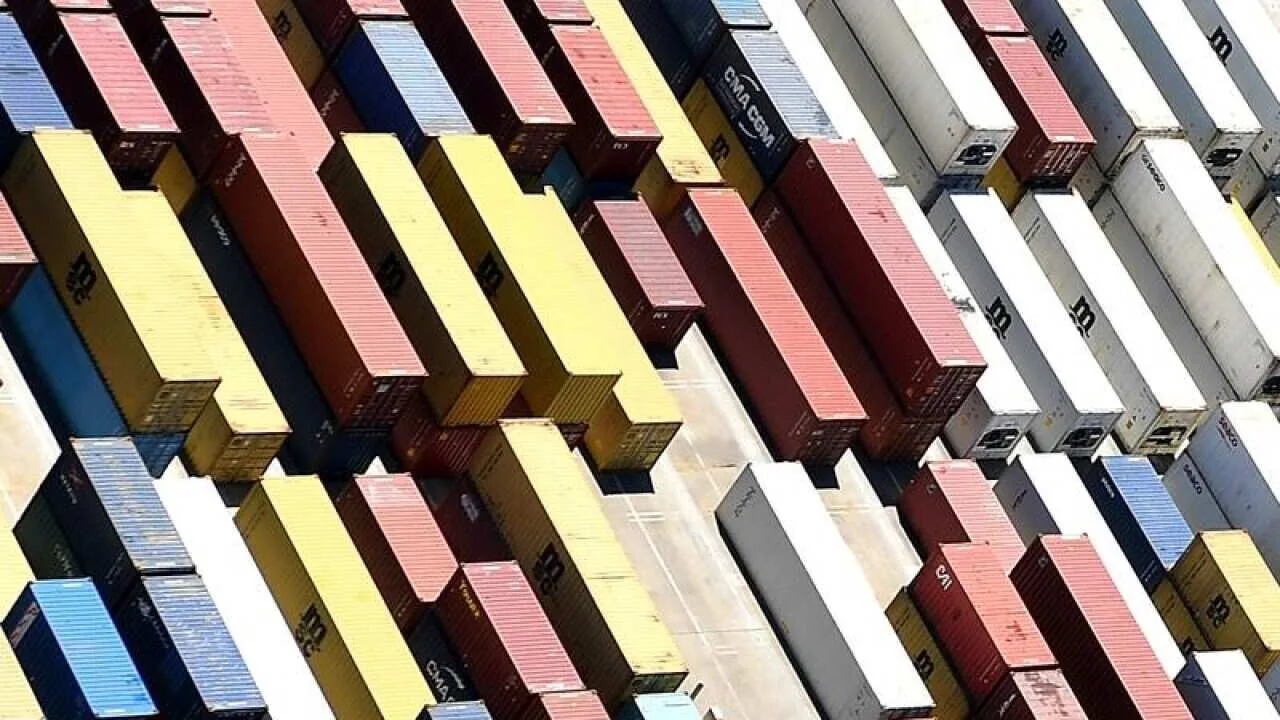
Western Australia's role was pivotal. The state shipped an impressive $22 billion worth of products in October alone, contributing to a staggering 12-month total of $239 billion. This figure represents almost 46 per cent of Australia's total goods exports.
More than half of these exports were destined for China, which remains WA's top overseas market. This export prowess provides timely positive news for the State Government, which is currently engaged in a national advertising campaign regarding GST distribution, citing the state's export strength as a key economic measure.
A Stabilising, Not Booming, Trade Outlook
While the numbers are strong, economists caution against expectations of a return to the peak conditions of 2021 and 2022. Moody’s Analytics head of Australian economics, Sunny Nguyen, described the data as extending a "rebound story" from September, signalling stabilisation after a year of erosion.
"Looking through the noise from gold, export values are grinding higher on the back of bulk commodities and other mineral fuels," Ms Nguyen said. She noted this aligns with a global economy experiencing slower growth but still absorbing Australian raw materials. However, she assessed the overall trade sector as "neutral at best", suggesting the national economy in 2026 will lean more heavily on domestic demand.
Domestic Economy Shows Encouraging Signs
On that front, recent growth data released on Wednesday offered encouragement. Most economists labelled the figures "strong", as businesses sold down inventories to meet rising consumer demand.
Australia's Gross Domestic Product (GDP) grew by 0.4 per cent in the September quarter and 2.1 per cent over the year. This marks a substantial recovery from the anaemic 0.8 per cent annual growth recorded just a year ago.
Commonwealth Bank economist Belinda Allen welcomed the recovery, noting that households are spending again thanks to strong income growth, businesses are investing, and residential construction is active. She added that the public sector is also providing a solid foundation for ongoing economic growth.