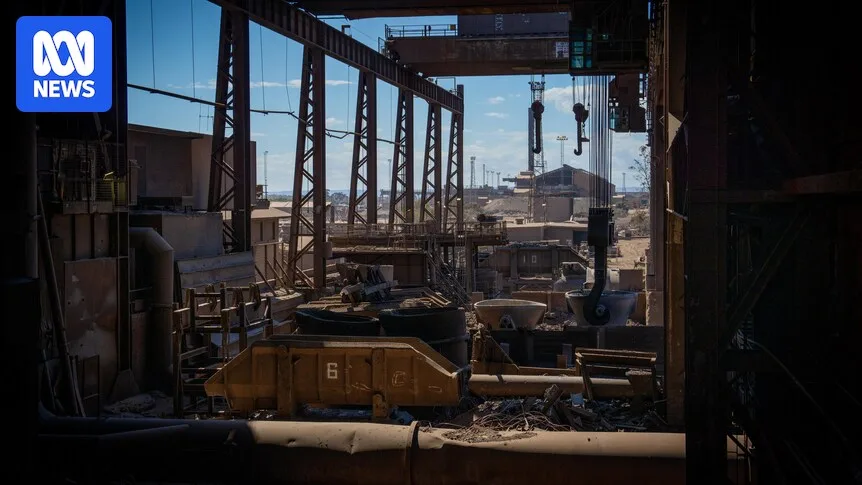
The South Australian government has allocated an additional $384 million in contingency funding for the Whyalla steelworks in the 2025/26 state budget, on the condition that the Commonwealth government contributes half the cost. The funds are intended to keep the plant operating while it is prepared for sale under administration.
The initial $384 million joint state-federal package, announced in February when the steelworks was placed into administration, is expected to run out soon. Administrator KordaMentha had warned it could not sustain operations beyond August without further funding. The new allocation doubles the total state contribution to $768 million for administration costs.
SA Premier Peter Malinauskas stated that the government anticipates the administration process will continue for at least another 12 months. He expressed confidence in the sale process, noting that interest from domestic and foreign buyers has been higher than expected, with up to 12 companies reportedly interested in acquiring the asset.

The budget papers confirm the state's overall contribution to the $2.4 billion 'sovereign steel package' is $650 million. When asked whether the federal government would match the new contingency, a spokesperson did not confirm but said both governments are working together to support the steelworks and local jobs.
KordaMentha has reported significant issues at the plant, including daily losses of $1.5 million before administration, insufficient spare parts, poor safety practices, and inadequate maintenance. Former owner GFG Alliance has disputed claims of underinvestment, stating it spent over $2 billion on repairs and upgrades.