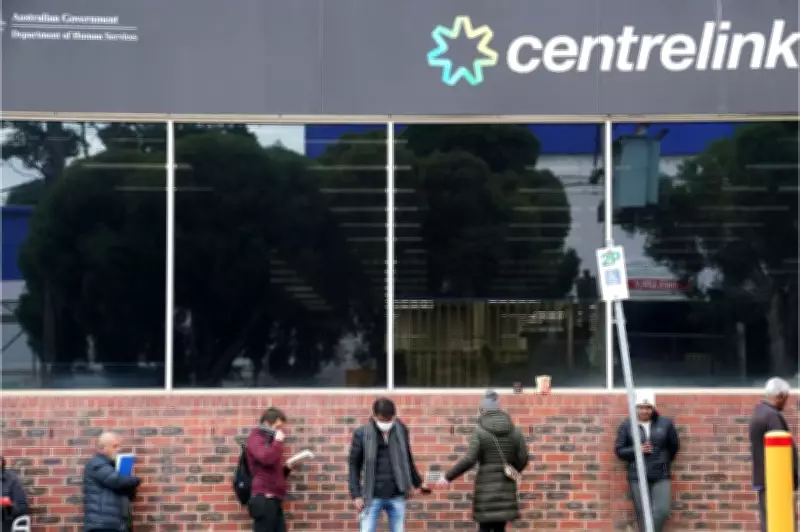
RBA Maintains Current Interest Rates as Unemployment Climbs
The Reserve Bank of Australia (RBA) has announced its decision to hold the official cash rate steady at its current level, a move that comes against a backdrop of increasing unemployment rates across the country. This decision, made during the latest monetary policy meeting, reflects the central bank's ongoing struggle to balance inflationary pressures with emerging signs of economic weakness in the labour market.
Economic Indicators Point to Mixed Signals
Recent data released by the Australian Bureau of Statistics shows a notable rise in the unemployment rate, which has climbed to its highest point in several months. This uptick is attributed to a combination of factors, including slower economic growth, reduced consumer spending, and ongoing challenges in key industries such as retail and manufacturing. At the same time, inflation remains stubbornly above the RBA's target range, driven by persistent increases in the cost of living, housing expenses, and essential services.
The RBA's decision to keep interest rates unchanged underscores the delicate balancing act faced by policymakers. On one hand, higher rates could help curb inflation but risk exacerbating unemployment by slowing economic activity further. On the other hand, lowering rates might stimulate job creation but could fuel inflationary pressures, creating a complex scenario for monetary management.

Implications for Households and Businesses
For Australian households, the RBA's hold on rates means that mortgage repayments and loan costs will remain at their current levels, providing some relief to borrowers who have been grappling with previous rate hikes. However, the rising unemployment rate poses a significant threat to household incomes and financial stability, particularly for those in sectors most affected by the economic slowdown.
Businesses, especially small and medium enterprises, are also feeling the pinch. The increase in unemployment suggests a weakening in consumer demand, which can lead to reduced sales and profitability. Many companies are now calling for targeted government interventions to support job creation and economic resilience, arguing that monetary policy alone may not be sufficient to address the dual challenges of inflation and unemployment.
Future Outlook and Policy Considerations
Looking ahead, economists are divided on the RBA's next steps. Some analysts predict that if unemployment continues to rise while inflation moderates, the central bank may consider rate cuts in the coming months to stimulate the economy. Others warn that premature easing could undermine efforts to control inflation, leading to longer-term economic instability.
The RBA has emphasised that its future decisions will be data-dependent, closely monitoring key indicators such as employment figures, wage growth, and consumer price movements. In the meantime, the government is under pressure to implement fiscal measures that complement monetary policy, such as infrastructure spending and skills training programs, to bolster employment and support sustainable economic growth.
In summary, the RBA's decision to hold interest rates steady highlights the ongoing economic uncertainties facing Australia. With unemployment on the rise and inflation still a concern, policymakers must navigate a challenging path to ensure long-term prosperity and stability for the nation.