Business Leaders Push Back Against Work-From-Home Proposals Amid Fuel Crisis
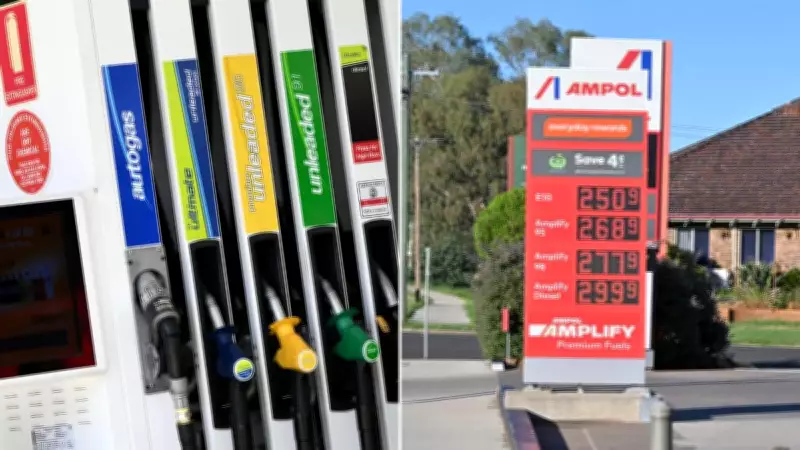
Senior business leaders have strongly rejected suggestions that employees should work from home to alleviate oil price pressures stemming from the ongoing conflict in the Middle East. This response comes after the International Energy Agency (IEA) recently outlined a series of proposals, including remote work and reduced air travel, to help consumers cope with skyrocketing fuel prices due to supply shortages.
Impact of Middle East Conflict on Oil Markets
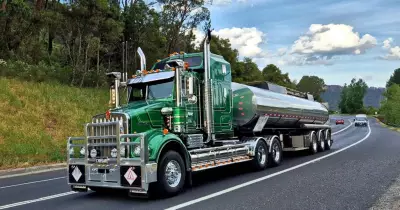
Oil markets have been severely disrupted after Iran closed the Strait of Hormuz to the United States and its allies in response to US-Israeli attacks. This strategic shipping route, though small, is vital, as approximately 20 percent of the world's oil supply passes through it. The closure has exacerbated global fuel shortages, leading to significant price increases for petrol and diesel.
In addition to advocating for work-from-home arrangements when possible, the IEA recommended that motorists reduce highway speed limits by at least 10 kilometers per hour and opt for public transport instead of private cars. Energy Minister Chris Bowen endorsed these measures over the weekend, describing the agency's advice as sensible and noting that remote work has become an important part of Australian working life.

Business Community Voices Concerns
However, many business owners are not supportive and have cautioned the government against mandating work-from-home policies. Adam Schwab, chief executive and co-founder of Luxury Escapes, criticized the proposal, arguing that lessons from the COVID-19 pandemic have been ignored. He stated, We had three years of complete government-driven destruction during COVID, where some of the dumbest people in the country destroyed the educations of hundreds of kids by forcing people to work from home. Schwab linked this to increased crime rates in Victoria and suggested that instead of driving, people could utilize public transport systems, which have seen substantial investment.
Mike Schneider, managing director of Bunnings, expressed a more measured view, stating it is too early to make broad calls on work-from-home arrangements. He emphasized that his company is handling the situation with common sense and reminding employees of alternative transport options. Schneider added, Blanket calls to work from home overlook the fact that every business is different.
Union Support for Flexible Work Arrangements
On the other side of the debate, the Finance Sector Union (FSU) has advocated for greater flexibility. National secretary Julia Angrisano revealed that the union has written to banks and financial institutions, urging them to allow staff to determine their own working arrangements. She explained, Workers are being hit from every angle, fuel, rent, mortgages and inflation – and employers have a clear opportunity to provide immediate relief. Angrisano highlighted that reducing unnecessary commuting is a practical step to ease financial pressure on employees.
Government and International Responses
In response to the crisis, the IEA agreed on March 11 to release a record 400 million barrels of oil from strategic stockpiles to combat the spike in global crude prices, with the United States contributing the majority of this supply. The Australian federal government has implemented multiple measures to address increased fuel demand, including:
- Releasing 20 percent of the nation's fuel stockpile.
- Temporarily lowering fuel quality standards.
- Imposing fines of up to $100 million for fuel price gouging.
Additionally, Prime Minister Anthony Albanese announced the formation of a national taskforce to monitor fuel security and provide regular updates on Australia's fuel supply outlook. These efforts aim to stabilize the market and support consumers during this challenging period.