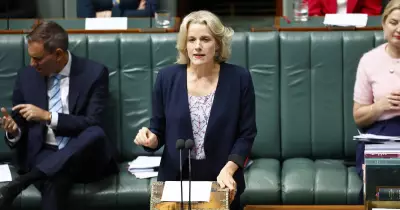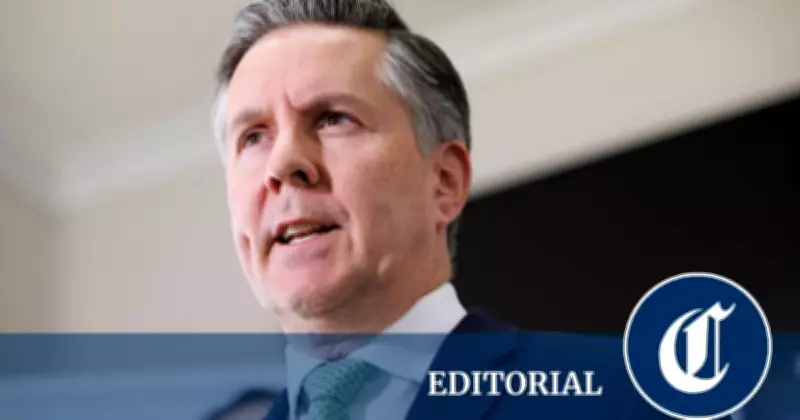
The Australian government's proposal to cut private health insurance rebates has ignited a fierce political debate, with Health Minister Mark Butler at the centre of a controversy that could reshape the nation's healthcare landscape. The planned changes, estimated to save $3 billion over the forward estimates, have drawn sharp criticism from opposition parties and industry stakeholders who warn of increased premiums and reduced coverage for millions of Australians.
Background of the Rebate System
The private health insurance rebate, introduced in 1999, provides a government subsidy to help Australians afford private hospital cover. Currently, the rebate is means-tested, with higher-income earners receiving a lower subsidy. The proposed cuts would further reduce the rebate for all income brackets, effectively increasing out-of-pocket costs for policyholders. Supporters argue that the savings could be redirected to public hospitals, but critics claim it undermines the private system.
Political Reactions
Opposition health spokesperson Anne Ruston labelled the move a "tax on the sick," arguing that it would force younger and healthier Australians to drop their coverage, destabilising the risk pool. The Australian Medical Association (AMA) has also expressed concern, warning that a decline in private insurance could overwhelm public hospitals. Meanwhile, Labor backbenchers have urged the government to consider alternative savings measures to avoid penalising families already struggling with cost-of-living pressures.

Industry Impact
Private health insurers have warned that the cuts could lead to premium increases of up to 5% annually, as they seek to offset the loss of government subsidies. The industry body, Private Healthcare Australia, has launched a campaign highlighting the potential impacts on regional and rural Australians, who often face limited access to public hospital services. Consumer groups, however, have criticised the insurers for profiteering and called for greater transparency in premium setting.
Economic and Social Implications
The $3 billion debate extends beyond healthcare, touching on broader economic and social issues. Economists point out that reducing the rebate could free up funds for other priorities, such as aged care or mental health services. However, social advocates argue that the cuts disproportionately affect middle-income earners, who may be forced to choose between private cover and other essentials. The government has yet to release a detailed impact assessment, fuelling speculation about the true cost of the policy.
Next Steps
With the federal budget due in May, the government is expected to outline the specifics of the rebate changes. A Senate inquiry has been proposed to examine the potential consequences, though the timeline remains uncertain. For now, the debate continues to dominate political discourse, with both sides mobilising support ahead of what promises to be a contentious legislative battle.