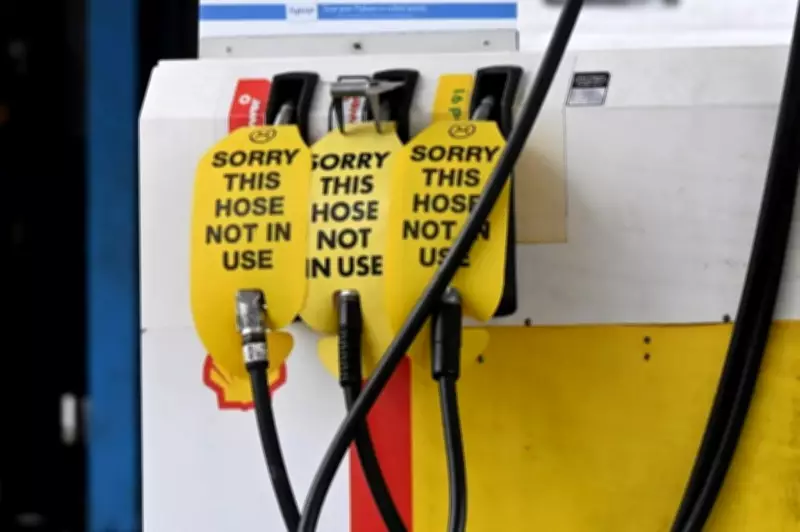
Australia's inflation rate has jumped to its highest level in almost three years, driven by a sharp increase in fuel prices that is adding to cost-of-living pressures for households across the nation.
The Consumer Price Index (CPI) rose by 1.2% in the March quarter, pushing the annual inflation rate to 4.8%, its highest since June 2023. The surge was largely attributed to a 9.4% rise in fuel costs over the quarter, as global oil prices climbed due to supply disruptions and geopolitical tensions.
Fuel Shock Hits Households
The spike in petrol and diesel prices has been felt acutely by Australian motorists, with the average price of unleaded petrol reaching $2.10 per litre in some capital cities. This has flowed through to higher transport costs, affecting everything from commuting to grocery deliveries.

"The fuel shock is really biting," said Sarah Thompson, senior economist at the Australian Institute of Economic Research. "We're seeing it not just at the bowser but in the cost of goods that rely on transportation, which is almost everything."
Broader Price Pressures
While fuel was the main driver, other categories also contributed to the inflation rise. Housing costs increased by 1.8% in the quarter, with rents rising 2.1% as vacancy rates remain tight in major cities. Food prices climbed 1.5%, with fresh produce particularly affected by recent weather events.
However, core inflation, which excludes volatile items like fuel and food, rose by a more modest 0.8% in the quarter, suggesting that underlying price pressures remain contained. The annual core inflation rate edged up to 3.2%, still within the Reserve Bank of Australia's (RBA) target band of 2-3%.
RBA Under Pressure
The inflation data puts the RBA in a difficult position ahead of its next board meeting in May. The central bank has held the cash rate steady at 4.10% since November, but the latest figures may reignite debate about whether further rate hikes are needed.
"The RBA will be watching this closely," said Mark Johnson, chief economist at Westpac. "A one-off spike driven by fuel is different from broad-based inflation, but if it starts to feed into expectations and wage demands, that could be a problem."
Financial markets are now pricing in a 40% chance of a rate hike in May, up from 25% before the data release. The Australian dollar strengthened slightly on the news, rising to 67.2 US cents.
Government Response
Treasurer Jim Chalmers acknowledged the impact on families but said the government was focused on providing cost-of-living relief without adding to inflationary pressures.
"We understand that Australians are doing it tough, and that's why we've delivered billions in targeted relief on energy bills, child care, and rent assistance," Chalmers said in a statement. "We will continue to work with the RBA to ensure inflation is brought under control without crashing the economy."
Opposition treasury spokesman Angus Taylor blamed the government for the rising cost of living, arguing that its spending policies have fueled inflation. "Labor has no plan to get inflation under control," Taylor said. "Australians are paying the price for this government's incompetence."
Outlook
Economists expect inflation to remain elevated in the near term, with fuel prices likely to stay high due to ongoing global uncertainties. However, many predict that the March quarter spike will prove temporary, and that inflation will moderate later in the year as the impact of earlier rate hikes continues to filter through the economy.
"The worst may be behind us," said Thompson. "But it's going to be a bumpy ride for the next few months."
The RBA is scheduled to release its updated economic forecasts in its May Statement on Monetary Policy, which will provide further clarity on the outlook for interest rates and inflation.