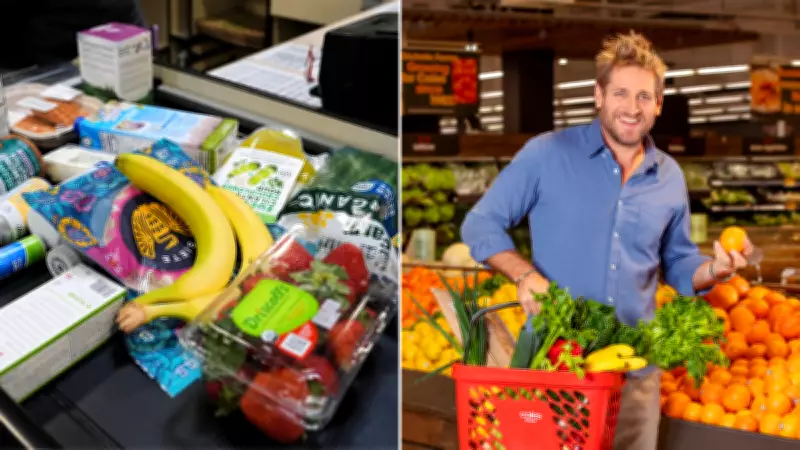
Australian households are feeling the strain of rising grocery bills, with the cost of everyday essentials climbing sharply in recent years. In 2017, Coles launched a campaign to feed a family of four for under $10, with chef Curtis Stone's recipes showcasing ingredients that could be bought by families working on a budget. However, meals that were once promoted as an achievable benchmark for budget-conscious families would today cost more than double the price.
Cost Comparison
Take Stone's cottage pie that could feed four on a budget. Beef mince is now $8.50, add vegetables, tomato paste, stock, milk, flour and butter — that's nearly $35. Without the staples, it comes down to $26. While Coles says its Feed Your Family campaign was retired a number of years ago, a recent survey has revealed groceries rank as the single most stressful household cost for Australians.
Stress of Weekly Shop
The stress of the weekly shop has overtaken rent and mortgage repayments, with the average weekly spend at the supermarket surging to $250. The survey, by Australian online comparison and broking platform Compare Club, said that groceries stress reflects how visible and frequent food costs are in day-to-day life, adding that the story is broader than supermarket spending alone. Rent, mortgage repayments and energy bills all sit clustered close behind, showing that pressure is spread across the core pillars of household budgeting.

Expert Advice
Compare Club's Head of Research and Insights Kate Browne said looking for the best deal on price means sacrificing customer loyalty. "Make sure you don't have any loyalty to brands or even supermarkets," she told 7NEWS. "If you have the time, shop between our major supermarkets and some alternatives to find the best price." Browne said people are highly sensitive to any bill that feels movable, such as mortgage rates, rent and grocery inflation.
Spending Responses
The survey showed most common spending responses are "lifestyle trims rather than full-scale retreat". More than half said they would reduce eating out or entertainment spending, and 51.0 per cent would delay travel or holidays, while early half say they would drive less or reduce fuel spending, while 40.5 per cent would cut back on groceries or household shopping. Fuel also remains a cost-of-living stress with 89.1 per cent of people saying they are concerned about petrol and diesel prices rising in the coming months.