Fuel Prices in Ayr Skyrocket Past 282 Cents Per Litre
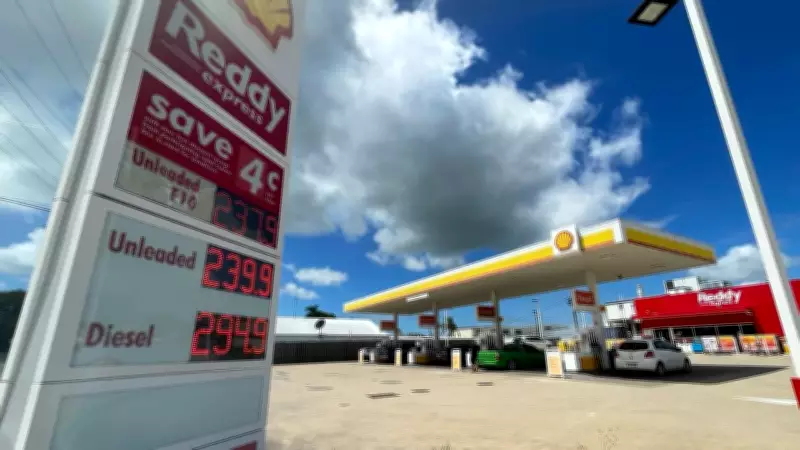
Motorists in North Queensland are grappling with a severe fuel crisis as prices in the town of Ayr have surged to unprecedented levels, exceeding 282 cents per litre. This dramatic increase has sent shockwaves through the local community, with drivers facing significant financial strain and growing concerns over the broader cost of living pressures.
Impact on Local Drivers and Economy
The skyrocketing fuel prices in Ayr are hitting North Queensland drivers hard, forcing many to reconsider their travel plans and daily commutes. Residents report that the cost of filling up a standard vehicle has become prohibitively expensive, leading to reduced mobility and increased stress for families and businesses alike. The situation is particularly acute in rural areas, where reliance on personal vehicles is high due to limited public transport options.
Local businesses are also feeling the pinch, as higher fuel costs translate into increased operational expenses. This has sparked fears of potential price hikes for goods and services, further exacerbating the economic challenges faced by the region. Community leaders have expressed alarm over the long-term implications, warning that sustained high prices could deter tourism and investment in North Queensland.

Factors Behind the Price Surge
Several factors are contributing to the fuel price spike in Ayr and surrounding areas. Global oil market fluctuations, driven by geopolitical tensions and supply chain disruptions, have played a significant role in pushing up costs nationwide. Additionally, regional factors such as transportation logistics and local competition levels may be influencing the sharp rise in North Queensland.
Experts point to a combination of international crude oil price increases and domestic refining issues as key drivers. The lack of competitive pressure in some regional markets can also lead to higher retail margins, compounding the problem for consumers. Authorities are monitoring the situation closely, but immediate relief appears unlikely given the complex interplay of global and local dynamics.
Community Response and Calls for Action
In response to the crisis, North Queensland residents are calling for greater transparency and intervention from government and industry stakeholders. Many are urging for measures to stabilize fuel prices, such as increased monitoring of retail practices or potential subsidies for remote communities. Social media platforms have become hubs for sharing price information and tips on finding cheaper fuel, highlighting the community's proactive approach to coping with the challenge.
Local MPs and advocacy groups are amplifying these concerns, pushing for discussions on long-term solutions to mitigate fuel price volatility. Suggestions include investing in alternative energy infrastructure, improving public transport networks, and enhancing regional fuel security. As the situation unfolds, the focus remains on supporting affected drivers and finding sustainable ways to address the underlying issues driving the price surge.
The fuel price crisis in Ayr serves as a stark reminder of the vulnerabilities in regional economies and the urgent need for coordinated action to protect consumers from such sharp cost increases.