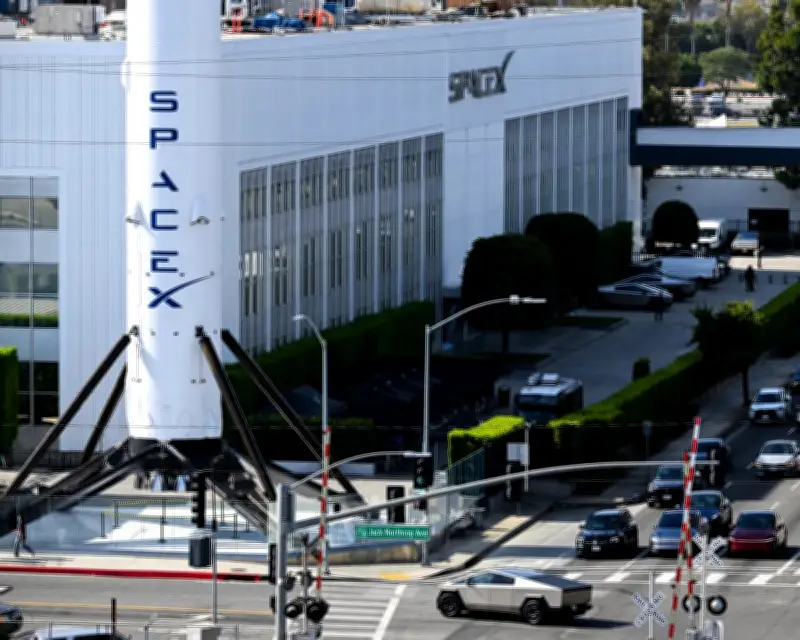
SpaceX, the private aerospace company led by Elon Musk, has achieved a record-breaking $178 trillion float, but concerns over its valuation are mounting. The massive float, the largest in history, has prompted analysts and investors to question whether the company is overvalued.
Record Float Raises Eyebrows
The $178 trillion float dwarfs previous records, but experts warn that such a valuation may not be sustainable. Critics argue that SpaceX's financials do not justify the figure, pointing to the company's reliance on government contracts and speculative ventures like Starship and Starlink.
Investor Skepticism
Many investors are skeptical about the float's implications. Some fear that Musk's influence and the hype surrounding SpaceX's projects have inflated the company's worth. Others worry that a potential IPO could expose overvaluation risks.

- SpaceX's valuation is based on future projections rather than current earnings.
- The company faces competition from rivals like Blue Origin and Boeing.
- Regulatory hurdles and technical challenges could delay key projects.
Musk's Role Under Scrutiny
Elon Musk's leadership has been a double-edged sword. While his vision has attracted investment, his controversial statements and management style have raised red flags. The float's size has amplified calls for greater transparency in SpaceX's financial reporting.
Industry insiders suggest that the valuation reflects speculative trading rather than fundamental value. The float's success could set a precedent for other private companies, but it also highlights the risks of market exuberance.
As SpaceX prepares for a potential IPO, the debate over its true worth continues. Whether the company can deliver on its promises remains to be seen, but the $178 trillion float has undoubtedly made waves in the financial world.