New York City Councilmember Brad Lander was found not guilty on Thursday of charges stemming from his role in blocking an elevator to impede federal immigration agents from making an arrest in a Manhattan apartment building.
Acquittal in Manhattan Criminal Court
Lander, a Democrat representing Brooklyn, was acquitted of obstruction of governmental administration and resisting arrest after a bench trial in Manhattan Criminal Court. Judge Diana Boyar ruled that prosecutors failed to prove Lander intended to prevent the agents from carrying out their duties, citing his actions as a form of protected civil disobedience.
The incident occurred in March 2025, when Lander and other activists blocked an elevator at a building on the Lower East Side to delay U.S. Immigration and Customs Enforcement (ICE) agents who were attempting to detain a man with a final order of removal. Lander was arrested after refusing to move.

Defense Argument
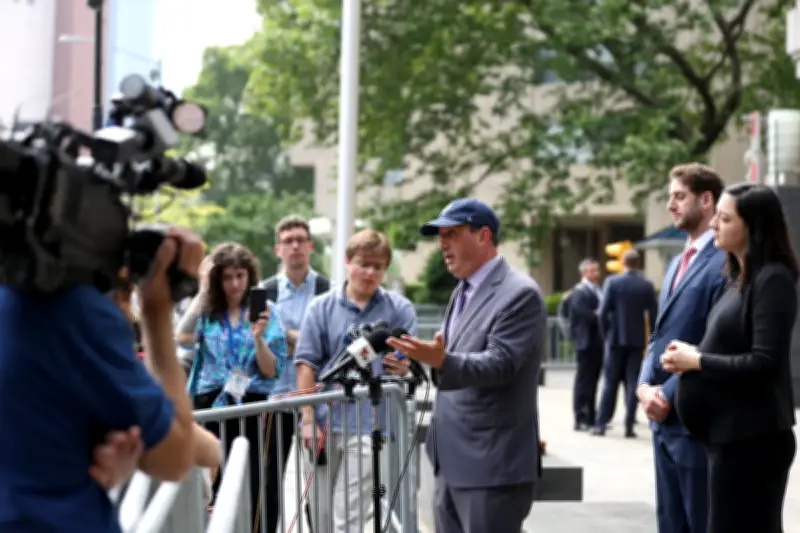
Lander's defense argued that his actions were a peaceful protest against what he called unjust immigration enforcement. “This verdict is a victory for the right to stand up against overreach,” Lander said outside the courthouse. “We cannot stand by while our neighbors are torn from their families.”
The councilmember faced up to a year in jail if convicted. The judge emphasized that the prosecution did not establish that Lander's conduct crossed the line from lawful protest into criminal obstruction.
Prosecution and ICE Response
The Manhattan District Attorney's office said it respected the court's decision but noted that “obstruction of law enforcement is a serious matter.” ICE officials criticized the verdict, stating it undermines federal immigration law. “This sends a dangerous message that interfering with federal agents has no consequences,” an ICE spokesperson said.
The man ICE sought to detain was ultimately arrested later that day elsewhere. Lander's acquittal has reignited debate over local officials' roles in immigration enforcement, with New York City maintaining its sanctuary city policies.