WA Truck Drivers Face Stranding Risk Amid Fuel Shortage Crisis
A freight operator in Western Australia has issued a stark warning that truck drivers are at serious risk of being stranded in remote parts of Australia during extreme heat conditions. This alarming situation arises from the absence of a centralised system that provides real-time information on which service stations have fuel and which have run dry.
The warning comes in the wake of reports over the past two weeks indicating that several towns in WA have been restricting fuel sales exclusively to emergency service authorities. In Geraldton, for instance, some retailers have completely exhausted their supplies of petrol and diesel, while others have resorted to rationing. This has triggered panic buying among motorists, who are hastily purchasing jerry cans to stockpile fuel.
Recent Incidents Highlight the Problem
Just this week, on March 16, the Astron service station at Quinns Rock ran out of unleaded fuel and was forced to turn away customers. This incident underscores the growing severity of the fuel shortage issue across the region.

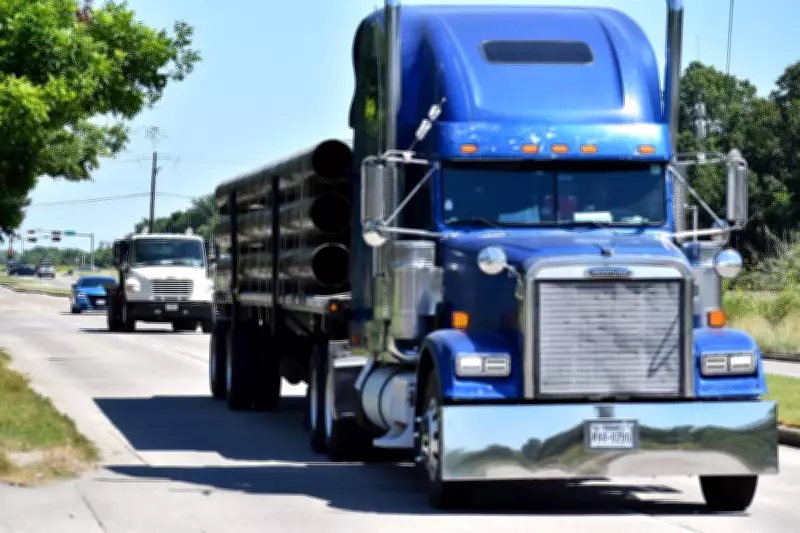
Paul Konstek, a Loadshift operator who manages 25 drivers servicing remote WA and mining communities, and CEO of WA-based logistics and hotshot freight company Harmon Transportation, expressed his concerns to Loadshift. He revealed that his team has been reduced to desperate measures, such as googling, calling local councils, and scouring Facebook, to determine where they can refuel. This is because phone numbers for outback service stations are often incorrect or disconnected.
"We don't want people stranded out in the middle of nowhere in 40C heat," Mr Konstek emphasised. "How hard is it just to let people know where you can and can't get fuel?" He stressed that this is a critical issue not only for truck drivers but also for everyday motorists planning road trips, urging them to take this into account for their safety.
Calls for Government Action
Mr Konstek is advocating for the Government to establish a real-time fuel availability database. This would enable operators and travellers to plan their journeys safely and avoid dangerous situations. "If they can't do it now, at least have it ready for next time," he urged. "People getting stranded out in the middle of our outback can become critical pretty quickly."
Echoing these concerns, Alex Randall, operations co-ordinator at Loadshift—Australia's largest freight marketplace connecting shippers and carriers—confirmed that drivers nationwide are grappling with the same problem. "Our drivers are telling us they don't know which servos are open until they get there," he stated. "In a country with some of the longest freight routes in the world, that's not just inefficient, it's dangerous."
Mr Randall further noted that operators in WA, Queensland, and western NSW are increasingly avoiding certain runs altogether because they cannot guarantee access to fuel along their routes. This disruption poses significant risks to the freight industry and broader supply chains.
Broader Implications for Safety and Efficiency
The lack of a reliable fuel tracking system not only endangers lives but also hampers the efficiency of freight operations across Australia. With extreme heat exacerbating the dangers of being stranded in remote areas, the need for immediate action is paramount. Stakeholders are calling for collaborative efforts between government bodies and industry players to develop a solution that ensures safety and reliability for all road users.