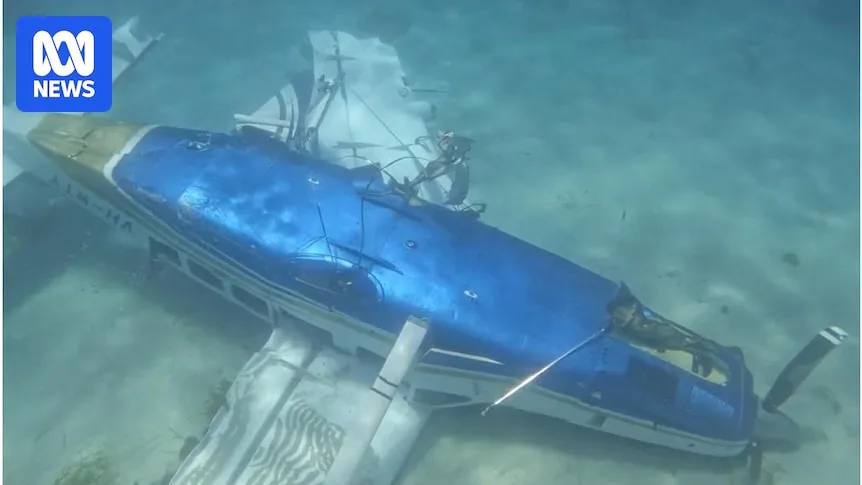
Text messages between the pilot of a fatal seaplane crash off Rottnest Island and his boss have revealed concerns about strong winds before the incident. The Australian Transport Safety Bureau (ATSB) released its preliminary report on Thursday, detailing the exchange between chief pilot and 34-year-old pilot James Wong.
The seaplane crashed into Thomson Bay on January 7, killing Wong, a 65-year-old Swiss woman, and a 60-year-old Danish man. Four passengers were rescued. The ATSB found the aircraft became airborne near Phillip Rock before rolling left, causing the wing to hit the water.
Texts showed the chief pilot warned of increasing winds and suggested passengers return by ferry. Wong replied with a thumbs up, but later said wind had reduced and take-off was possible closer to shore. The chief pilot responded, trusting Wong's judgment but encouraging him to resist pressure.

A company director later texted Wong about wind conditions; he replied it was 'rough but ok.' Passengers described rough and windy conditions. The ATSB noted the aircraft departed on an easterly track instead of the usual southerly track, turning a headwind into a crosswind.
ATSB chief commissioner Angus Mitchell said an aerodynamic stall on the left wing likely caused the crash, possibly due to insufficient speed. He noted the crosswind was near the aircraft's limits. The warning horn, which alerts pilots to low speed, may have been off, but this is still under investigation.
Wong had nearly 1,400 hours of float plane experience. The full ATSB report will be released later.