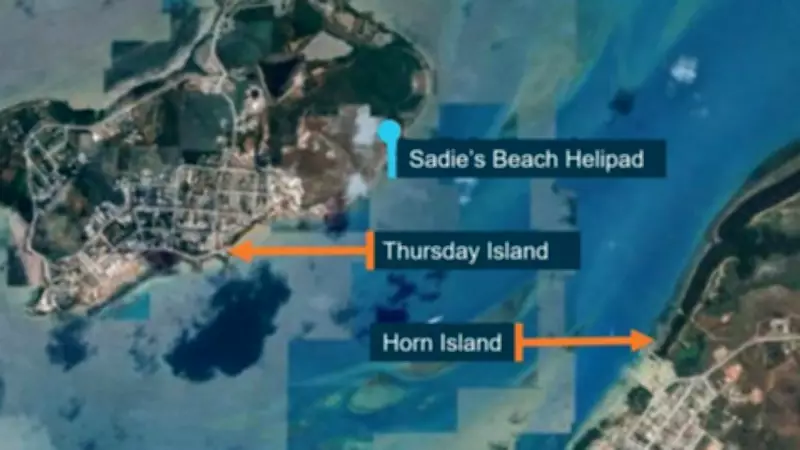
ATSB Issues Preliminary Findings on Remote Helicopter Crash in Queensland
The Australian Transport Safety Bureau (ATSB) has released a preliminary report into a helicopter crash that occurred in a remote area of Queensland, providing initial insights into the incident that has raised concerns about aviation safety in isolated regions. This report marks the first official documentation from the investigation, which aims to determine the causes and contributing factors behind the crash to prevent similar occurrences in the future.
Details of the Crash and Initial Investigation
According to the ATSB, the helicopter crash took place in a remote location within Queensland, though specific coordinates and exact timing have not been fully disclosed to protect the integrity of the ongoing investigation. The preliminary report outlines that the aircraft was involved in an operational mission when it experienced difficulties, leading to the crash. Initial findings suggest that environmental conditions, such as weather and terrain, may have played a role, but the ATSB emphasizes that these are early observations subject to further analysis.
The report highlights that the helicopter sustained significant damage upon impact, and emergency response teams were dispatched to the scene. Fortunately, there were no fatalities reported, but injuries were sustained by those on board, with details on the severity and number of individuals involved being withheld pending further updates. The ATSB has commended the swift action of rescue personnel in accessing the remote site, which posed logistical challenges due to its isolation.

Ongoing Investigation and Safety Implications
The ATSB's investigation is ongoing, with experts examining various aspects of the crash, including:
- Aircraft maintenance records to assess any pre-existing mechanical issues.
- Pilot training and experience in relation to the flight conditions encountered.
- Weather data and flight path analysis to understand environmental factors.
- Communication logs from the time of the incident to piece together events leading up to the crash.
This preliminary report serves as a foundation for a more comprehensive final report, which is expected to be released once all evidence has been thoroughly reviewed. The ATSB stresses that the findings are preliminary and should not be used to draw definitive conclusions until the investigation is complete. Aviation safety authorities are closely monitoring the situation, as crashes in remote areas often highlight the need for enhanced safety protocols and emergency preparedness in challenging environments.
Broader Context and Community Impact
The crash has sparked discussions within the aviation community and among local residents in Queensland about the risks associated with remote operations. Helicopters are frequently used in such areas for tasks like medical evacuations, resource exploration, and tourism, making safety a paramount concern. The ATSB's work is crucial in identifying potential hazards and recommending improvements to prevent future incidents.
In response to the crash, industry stakeholders have called for increased investment in technology and training to better handle emergencies in isolated locations. The preliminary report underscores the importance of continuous evaluation and adaptation of safety measures to protect lives and assets in Australia's vast and often unforgiving landscapes.
As the investigation progresses, the ATSB will continue to update the public with new information, aiming to foster transparency and trust in aviation safety processes. The final report, once completed, will provide detailed recommendations to enhance operational standards and mitigate risks in remote helicopter flights across the country.