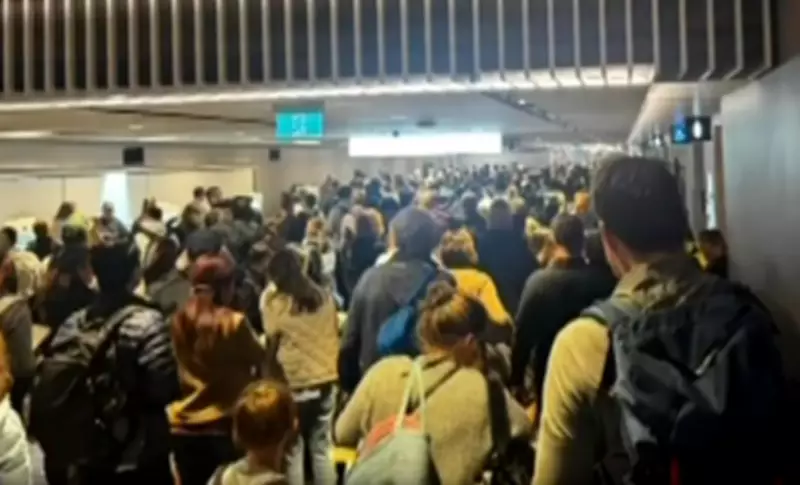
Australian Airports Unite for Digital Border Overhaul
Australia's largest airports have formed a coalition to demand urgent upgrades to immigration systems, cautioning that the country is falling behind international peers in adopting safer and faster passport processing technologies. Frustrated by extensive queues within terminals, airport executives have issued a stark warning, aligning with tourism leaders to push for a transformative shift in border technology.
Industry Leaders Warn of 'Off-Brand' Reputation
Industry experts argue that Australia is becoming "off-brand" compared to nations with more efficient digital border security frameworks. They are advocating for an accelerated trial of digital incoming passenger declarations, which is currently restricted to specific flights in Sydney and Brisbane. Simon Westaway of the Australian Airports Association emphasized the critical nature of this move, stating, "I know it's symbolic. We have to move on. It's really, really critical that we do this because you can see the level of investment that's occurring."
Massive Airport Investments at Risk
Australia's three biggest airports are collectively investing $15 billion in infrastructure enhancements. However, leaders warn that this substantial financial commitment could be undermined if backend operations, such as immigration processing, are not modernized. Jim Parashos, Chief of Aviation at Melbourne Airport, highlighted the concern, saying, "What we don't want to see is capacity added effectively for holding pens, for the lack of efficiency in our arrivals process."

Surge in International Arrivals Expected
The push for technological improvements coincides with projections from Border Force indicating a 40 percent increase in international arrivals over the next three years. This anticipated growth underscores the urgency for streamlined processes to handle higher passenger volumes effectively.
Jet Fuel Supply and Airline Adjustments
In related developments, airport authorities have publicly expressed confidence in jet fuel availability, noting a current supply of approximately 39 days. Scott Charlton, CEO of Sydney Airport, commented, "We're seeing tankers coming in and still green lighting out to the middle to the end of May, which is very consistent with what the government is saying as far as fuel supply." Meanwhile, Jetstar has announced temporary reductions in services to and around New Zealand, citing rising operational costs as the primary reason.
This collective call to action reflects a broader industry effort to enhance Australia's border efficiency and maintain competitiveness on the global stage.