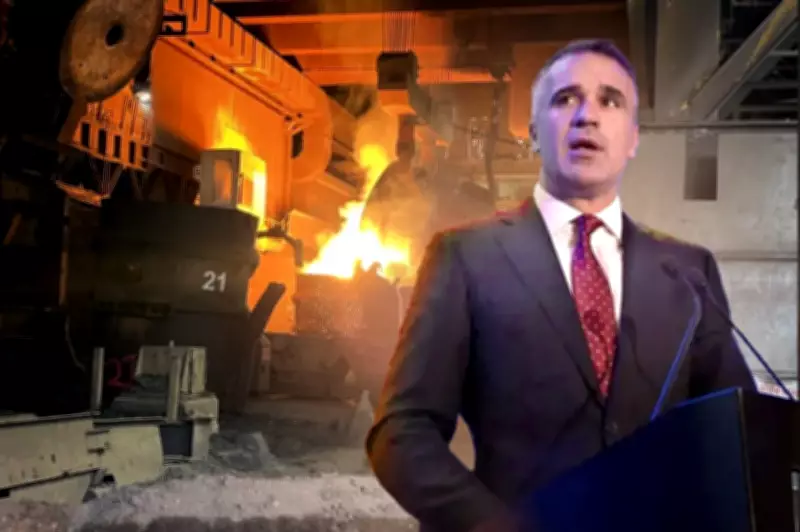
The blast furnace at the Whyalla steelworks has been taken out of action, bringing steel production to a standstill and sparking fresh concerns about the future of the facility and its workforce. The shutdown, which occurred earlier this week, has prompted urgent discussions between company management, union representatives, and state government officials.
Production Halted Indefinitely
GFG Alliance, the owner of the Whyalla steelworks, confirmed that the blast furnace was shut down due to a combination of technical issues and maintenance requirements. A spokesperson for the company stated that the decision was made to ensure the safety of employees and the integrity of the equipment. However, no timeline has been provided for when operations might resume, leaving hundreds of workers in limbo.
The blast furnace is the heart of the steelmaking process at Whyalla, and its shutdown means that all downstream production lines have also been idled. This includes the casting, rolling, and finishing operations that depend on a steady supply of molten iron. The halt in production is expected to have significant ripple effects on the local supply chain and the broader South Australian economy.

Union and Community Reaction
The Australian Workers' Union (AWU) has expressed deep concern over the shutdown, calling for immediate action to protect jobs. AWU state secretary Peter Lamps said, "This is a devastating blow for Whyalla and the entire region. We need clear answers from GFG Alliance about their plans and a commitment to getting the furnace back online as soon as possible."
Local community leaders have also voiced their worries, noting that the steelworks is the lifeblood of Whyalla, employing thousands directly and supporting many more through ancillary businesses. The shutdown comes at a time when the town is already grappling with economic challenges, and there are fears that a prolonged closure could lead to job losses and a downturn in the local economy.
Government Response
The South Australian government has moved quickly to engage with GFG Alliance, seeking assurances about the future of the plant. Premier Peter Malinauskas described the situation as "serious" and confirmed that his government is working closely with the company to explore all options to restart production. "We understand the critical importance of the Whyalla steelworks to the state's economy and the livelihoods of its workers. We will do everything in our power to support a swift resolution," he said.
The federal government has also been notified, with the Minister for Industry and Science expressing a willingness to assist if needed. The shutdown has reignited debates about the long-term viability of steel manufacturing in Australia, particularly given global market pressures and the transition to greener technologies.
Technical Challenges and Future Outlook
Industry analysts point out that blast furnaces are complex pieces of machinery that require regular maintenance and occasional major overhauls. However, the timing of this shutdown is particularly concerning, as it follows a period of operational difficulties and financial strain for GFG Alliance. The company has been exploring options to modernize the Whyalla plant, including potential investments in electric arc furnace technology, which would reduce carbon emissions but require significant capital.
For now, the focus remains on resolving the immediate crisis. GFG Alliance has stated that it is conducting a thorough assessment of the blast furnace and will provide updates as more information becomes available. In the meantime, workers have been told to remain on standby, with some redeployed to other tasks within the plant. The uncertainty is taking a toll on morale, and many are anxiously awaiting news about when they can return to their normal duties.
The Whyalla steelworks has a long history in South Australia, dating back to the 1960s, and has weathered many challenges over the decades. Whether it can overcome this latest setback will depend on the combined efforts of the company, government, and community to find a sustainable path forward.