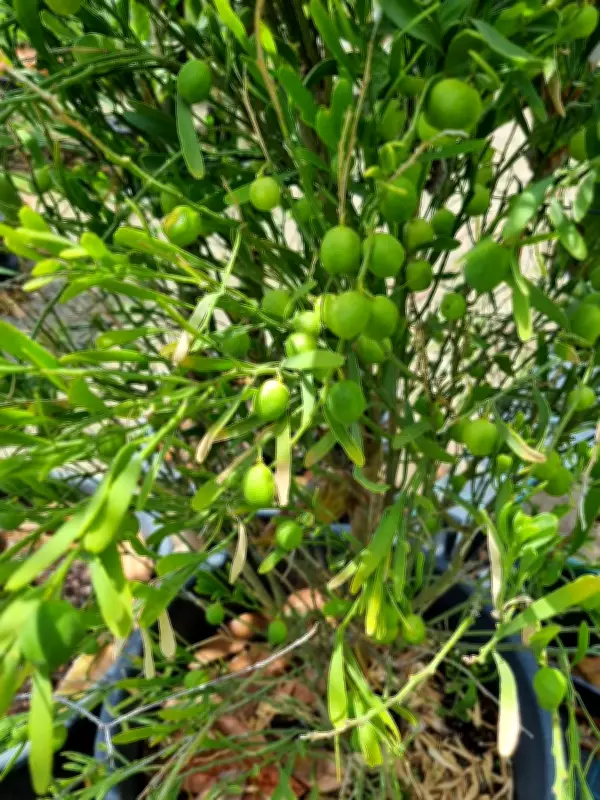
Sabrina Hahn's Expert Tips for Growing Desert Lime in Western Australia
Many gardeners in Australia cherish having a lemon or lime tree in their outdoor spaces, but there's a unique native alternative that adds exceptional zest to culinary creations and beverages. The desert lime, scientifically known as Citrus glauca, is a remarkably hardy citrus species that flourishes in the arid inland areas of Queensland, New South Wales, and South Australia. Its surprising toughness makes it an excellent choice for gardeners seeking resilient and productive plants.
Resilience and Distinctive Qualities of Citrus glauca
Citrus glauca stands out for its ability to withstand extreme environmental challenges, including intense heat, prolonged drought, and nutrient-poor soil conditions, all while consistently yielding fruit. This robust tree produces small, tangy fruits with a distinctive flavor profile that sets them apart from other citrus varieties. From a gardening perspective, it aligns perfectly with sustainable practices due to its compact size, high productivity, and suitability for containers, courtyards, or edible garden plots.
The tree features fine native foliage and an attractive sculptural growth habit, with the added benefit of being entirely edible. Notably, desert limes contain more than six times the vitamin C found in Tahitian limes, making them a popular ingredient for enhancing cocktails and Asian-inspired recipes. Indigenous Australians have valued this plant as a source of bush tucker and traditional medicine for centuries, recognizing its health-promoting properties and exceptional survival capabilities in harsh summer conditions.

Adaptation and Cultivation Techniques
Desert lime is the only citrus species known to be specifically adapted to drought resistance, capable of enduring extreme temperatures ranging from 45°C heat to as low as -24°C during winter dormancy. Additionally, it exhibits remarkable tolerance to saline conditions and is believed to have naturally spread from subtropical and temperate regions into semi-arid parts of Australia. However, gardeners should be cautious, as the plant has developed thorny stems as a natural defense mechanism against animals that might attempt to harvest its fruit.
In spring, the tree produces fragrant white flowers, with fruit setting occurring within a few weeks. It is crucial to allow the fruits to fully ripen on the tree before harvesting, as this makes them easier to pick and minimizes the risk of injury from thorns. There is significant variation in fruit quality among native limes, so it is advisable to purchase Citrus glauca as grafted cultivars for optimal results.
Practical Gardening Advice for Optimal Growth
For container gardening, desert limes perform excellently in pots filled with high-quality potting mix enriched with compost and mulch at the base. While these trees can potentially reach heights of up to 7 meters, maintaining them at a pruned height of around 3 meters encourages more abundant fruiting. If planting in a garden bed, select a rich, loamy, well-drained soil similar to that used for other citrus species. Apply mulch around the base and fertilize lightly with a citrus-specific fertilizer starting in July.
Essential Tip: Regularly remove any offshoots that emerge from below the graft point, as these originate from the rootstock and can overtake the grafted section, which is responsible for fruit production.
Additional Gardening Tasks for the Season
Sabrina Hahn also recommends several timely gardening activities to enhance your outdoor space:

- Repot neglected cyclamens into fresh potting mix supplemented with fertilizer to rejuvenate their growth.
- Inspect your garden early in the morning or during evening hours for snails that may appear as days shorten. Collect them in a bucket of soapy water or dispose of them using garden tools.
- Order sweet pea seeds for planting in March and prepare a garden bed with a trellis to support their beautiful floral display.
For those with gardening inquiries, Sabrina Hahn welcomes questions through Green With Envy in Saturday's edition of The West Australian. Submissions can be sent to Ask Sabrina, GPO Box D162, Perth, 6001, or via email to home@wanews.com.au, including full name and suburb details. Please note that due to high volume, not all questions may receive a response.