South Australian vegetable growers are rallying against a proposed high-voltage power line that would slice through some of the state's most productive agricultural land on the Eyre Peninsula. The project, which aims to connect renewable energy projects to the grid, has sparked fierce opposition from farmers who say it would devastate their operations.
Farmers Fear Irreversible Damage
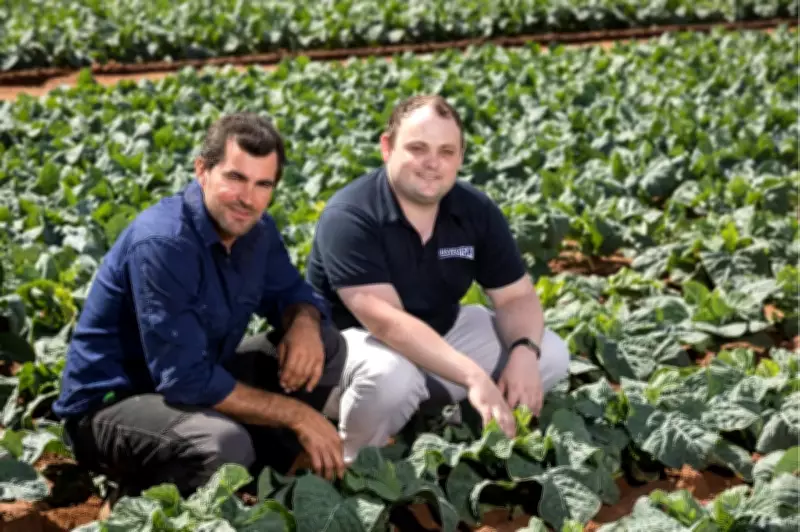
The proposed transmission line, part of the state government's energy transition plan, would cut through properties growing onions, potatoes, and other vegetables that supply markets across Australia. Growers argue that the pylons and easements would permanently remove fertile soil from production, disrupt irrigation systems, and make it difficult to operate machinery.
John Smith, a third-generation vegetable farmer near Port Lincoln, said the line would run directly through his best paddocks. “This is some of the most productive soil in the country,” he said. “Once it's gone, it's gone forever. We can't just move our farm somewhere else.”

Community Opposition Grows
Local councils and industry groups have joined the fight, calling for the line to be rerouted along existing infrastructure corridors or buried underground. A public meeting in Cummins last week drew hundreds of residents, many of whom voiced concerns about the impact on property values and the region's agricultural future.
The South Australian Farmers Federation has launched a campaign urging the state government to reconsider the route. “We support renewable energy, but not at the expense of our food production capacity,” said federation president Sarah Brown.
Energy company ElectraNet, which is developing the project, says it has consulted extensively with landowners and made changes to the route to minimise impacts. However, growers say the revised path still cuts through prime land and that compensation offers are inadequate.
The state government has indicated it will review the route but has not committed to changes. With the project timeline set for construction to begin next year, growers are racing to make their voices heard before it's too late.