Queensland's Booming Beef Exports Face Critical Water Infrastructure Shortfall
Queensland's beef export industry, a powerhouse in Australia's agricultural sector, is experiencing unprecedented growth, but this success is now at risk due to a looming water infrastructure crisis. Experts and industry leaders are sounding the alarm, warning that without immediate and substantial investment in water management systems, the state's beef exports could stall, jeopardising billions in revenue and thousands of jobs.
The Current State of Beef Exports in Queensland
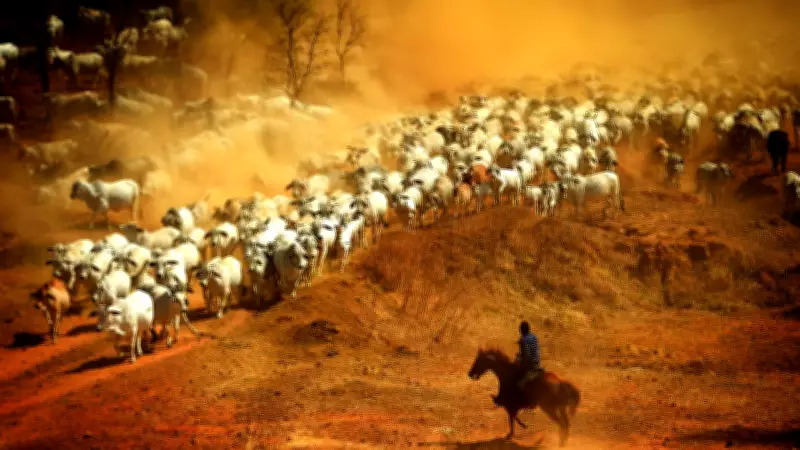
Queensland has long been a global leader in beef production, with exports surging in recent years to meet rising international demand, particularly from markets in Asia and the United States. The industry contributes significantly to the state's economy, supporting rural communities and driving regional development. However, this rapid expansion has placed immense pressure on existing water resources, which are struggling to keep pace with the needs of cattle farming and processing facilities.
Water Shortages Threaten Industry Sustainability
Water is a critical component in beef production, essential for livestock hydration, pasture irrigation, and meat processing. In many parts of Queensland, recurring droughts and variable rainfall patterns have exacerbated water scarcity, leading to reduced pasture quality and increased costs for farmers. Without reliable water infrastructure, such as dams, pipelines, and efficient irrigation systems, the industry faces significant operational challenges that could hinder its ability to maintain export volumes.

Urgent Calls for Infrastructure Investment
Agricultural bodies and economic analysts are urging both state and federal governments to prioritise water infrastructure projects. Proposed solutions include upgrading existing dams, constructing new water storage facilities, and implementing advanced water recycling technologies. These investments are seen as vital not only for sustaining beef exports but also for ensuring long-term environmental sustainability and resilience against climate change impacts.
Economic and Social Implications
The potential stalling of beef exports could have far-reaching consequences. Economically, it might lead to reduced export earnings, higher prices for consumers, and loss of competitive advantage in global markets. Socially, rural communities dependent on the beef industry could face job losses and decreased economic activity, further exacerbating regional disparities. Stakeholders emphasise that proactive measures now are crucial to avoid these negative outcomes.
Looking Ahead: A Path Forward
To secure the future of Queensland's beef industry, a coordinated approach involving government, industry, and local communities is essential. This includes not only investing in water infrastructure but also promoting sustainable farming practices and exploring alternative water sources. By addressing these challenges head-on, Queensland can continue to thrive as a global beef exporter, supporting economic growth and regional prosperity for years to come.