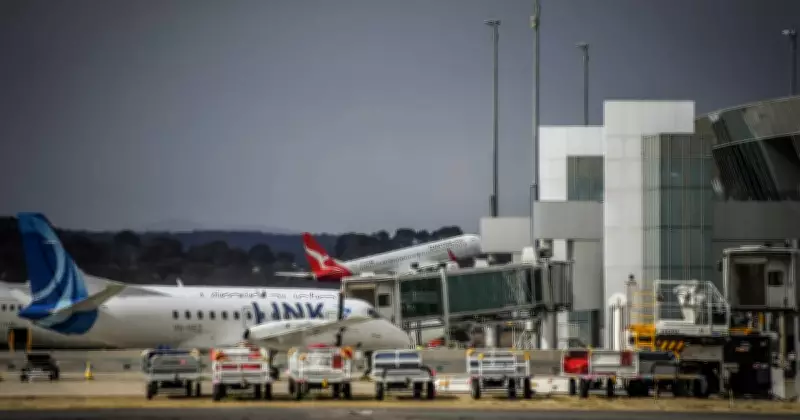
Canberra Flight Reliability Drops: Passengers Pay More, Wait Longer
New data has revealed a significant decline in flight reliability at Canberra Airport, with passengers now paying more for tickets while experiencing longer delays and increased cancellations. This troubling trend highlights growing frustrations among travelers and raises concerns about the overall state of aviation services in the Australian capital.
On-Time Performance Plummets
According to recent statistics, the on-time performance of flights departing from and arriving at Canberra Airport has dropped markedly over the past year. Reports indicate that only a fraction of flights now operate on schedule, compared to previous years when punctuality was more consistent. This decline is particularly noticeable during peak travel periods, such as holidays and weekends, when demand is highest.
Passengers have reported waiting for extended periods at gates, with some delays stretching for several hours. The ripple effects of these disruptions often lead to missed connections and added stress for both leisure and business travelers. Industry analysts suggest that factors such as air traffic congestion, staffing shortages, and maintenance issues may be contributing to this downturn in reliability.

Rising Costs Amidst Declining Service
Compounding the issue of delays, ticket prices for flights to and from Canberra have seen a steady increase. Travelers are now shelling out more money for a service that is becoming less dependable. This price hike is attributed to various economic pressures, including rising fuel costs, inflation, and operational expenses faced by airlines.
Many passengers express frustration over the perceived lack of value for money, as they pay premium rates only to encounter frequent disruptions. Consumer advocacy groups have called for greater transparency from airlines regarding pricing and service standards, urging regulatory bodies to step in if improvements are not made.
Cancellation Rates on the Rise
In addition to delays, cancellation rates have also climbed, leaving travelers stranded and scrambling to make alternative arrangements. Data shows that the number of flights canceled at Canberra Airport has increased by a notable percentage, with last-minute cancellations becoming more common.
This trend not only inconveniences passengers but also impacts local businesses and tourism, as unreliable air travel can deter visitors and hinder economic activity. Airport authorities and airlines are under pressure to address these issues, with some promising to invest in infrastructure and staff training to enhance reliability.
Looking Ahead: Potential Solutions
To combat the decline in flight reliability, experts recommend several measures. These include improving coordination between airlines and air traffic control, investing in modern aircraft and technology, and increasing staffing levels to handle peak demands. Additionally, better communication with passengers about delays and cancellations could help mitigate some of the frustration.
As the situation unfolds, travelers are advised to plan ahead, consider travel insurance, and stay informed about flight statuses. The hope is that with concerted efforts from all stakeholders, Canberra Airport can restore its reputation for dependable service and ensure that passengers get what they pay for without undue wait times.