There is a renewed push to lower speed limits in built-up areas, backed by new research showing significant reductions in crash injuries when speed limits are reduced.
Monash University study shows benefits of 40km/h zones
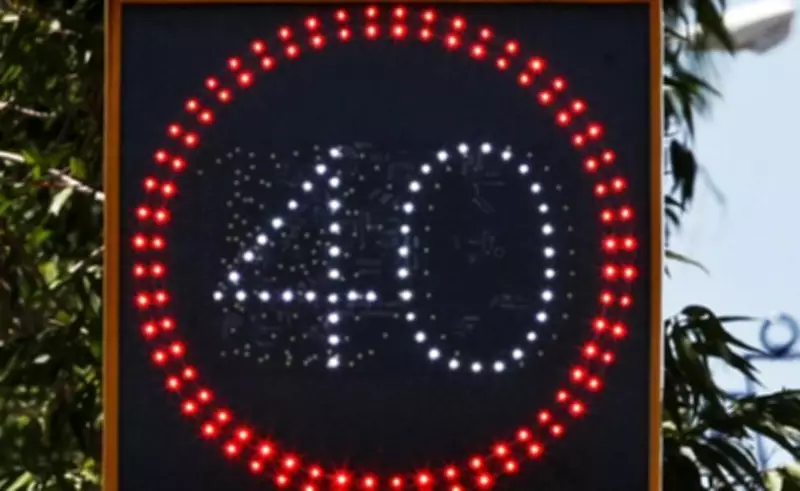
Conducted by the Monash University Accident Research Centre in Victoria, the analysis found that roads where 40km/h speed limits had been introduced experienced a 9.7 percent reduction in casualty crashes and a 23.8 percent reduction in crashes involving pedestrians. These results were derived from areas that had reduced speed limits from either 50km/h or 60km/h to 40km/h.
“Our study shows that implementing 40 km/h zones has proven benefit in reducing crash and injury rates, especially in areas where pedestrians are most at-risk,” said MUARC director Stuart Newstead. “Expanding these lower speed zones in local streets and busy pedestrian areas could contribute significantly to reducing road trauma. But to be effective, this must be coupled with improved signage, education and data collection.”

Survey reveals driver behavior in lower speed zones
An online survey conducted as part of the same research found that fewer drivers reported intentionally speeding in 40 km/h zones compared with areas that had higher speed limits. However, this was contradicted by speed data available for analysis, which indicated that rates of speeding in 40km/h zones were much higher than in 60km/h zones.
WA drivers face penalties for not slowing down for emergency vehicles
In Western Australia, drivers must slow down to 40km/h when approaching stationary emergency vehicles with flashing lights, such as police, firefighters, ambulance crew, RAC roadside assistance patrol vehicles, and Main Roads incident response vehicles that assist with the removal of damaged or broken down vehicles and debris. The penalty for failing to do so is a $300 fine and three demerit points.
Local councils collaborate on lower speed limits
Main Roads WA is responsible for speed zones on all roads across the state. Requests for any changes need to be submitted in the first instance to local government for assessment. Many councils are already on board for broader 40km/h limits. The City of South Perth, Subiaco, Victoria Park, Perth, and Vincent have collaborated on the Perth Inner-City Working Group to develop shared solutions to common problems related to speed limits and road safety.
Get the latest news from thewest.com.au in your inbox by signing up for our emails.